
Prague Unmapped_The Julius
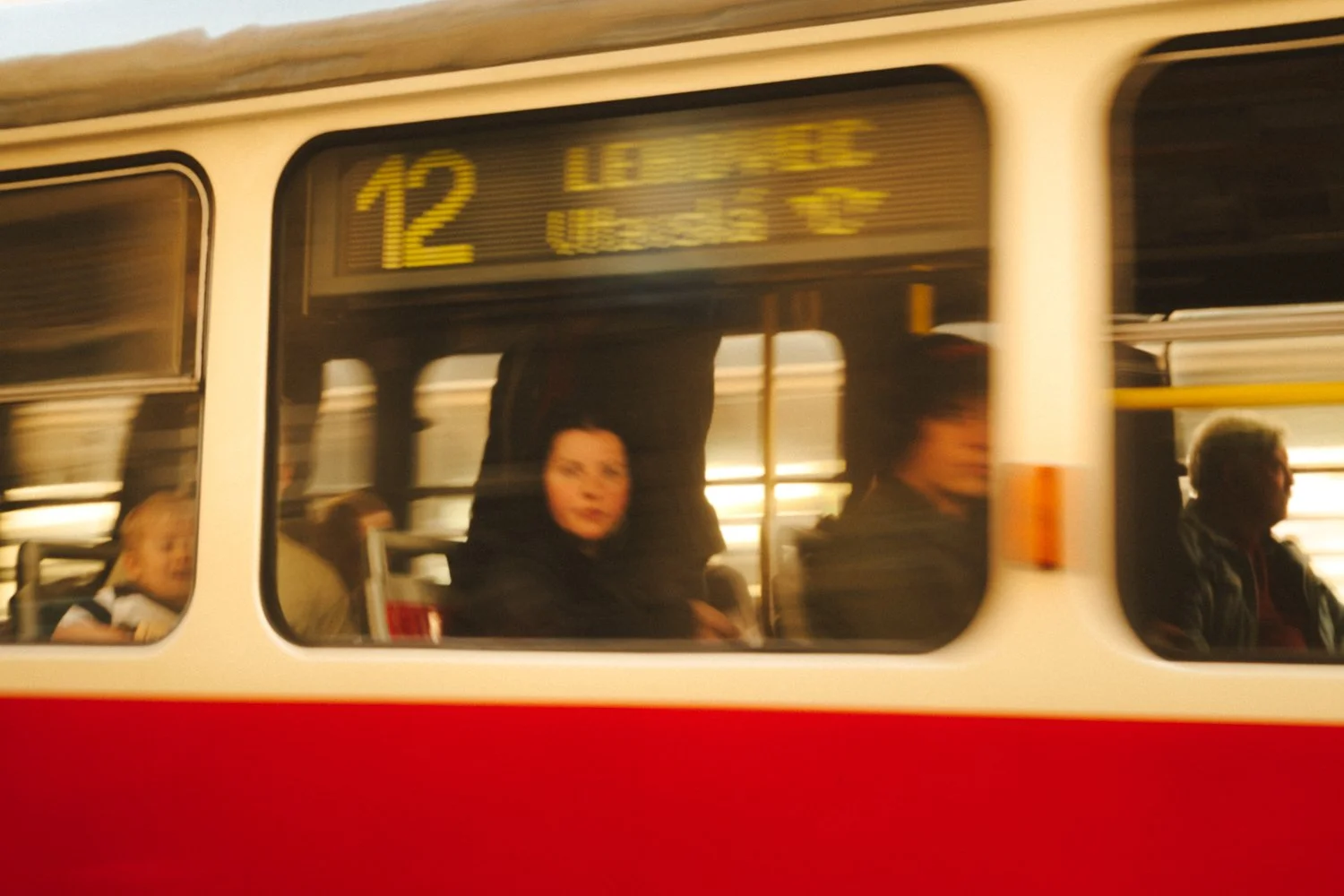
After years of photographing architectural spaces, I've grown used to stepping back—finding the angle, waiting for the light, presenting a space in its fullest, most legible form. When I came to work in residence at The Julius, I realized that here, that approach simply wouldn't do.
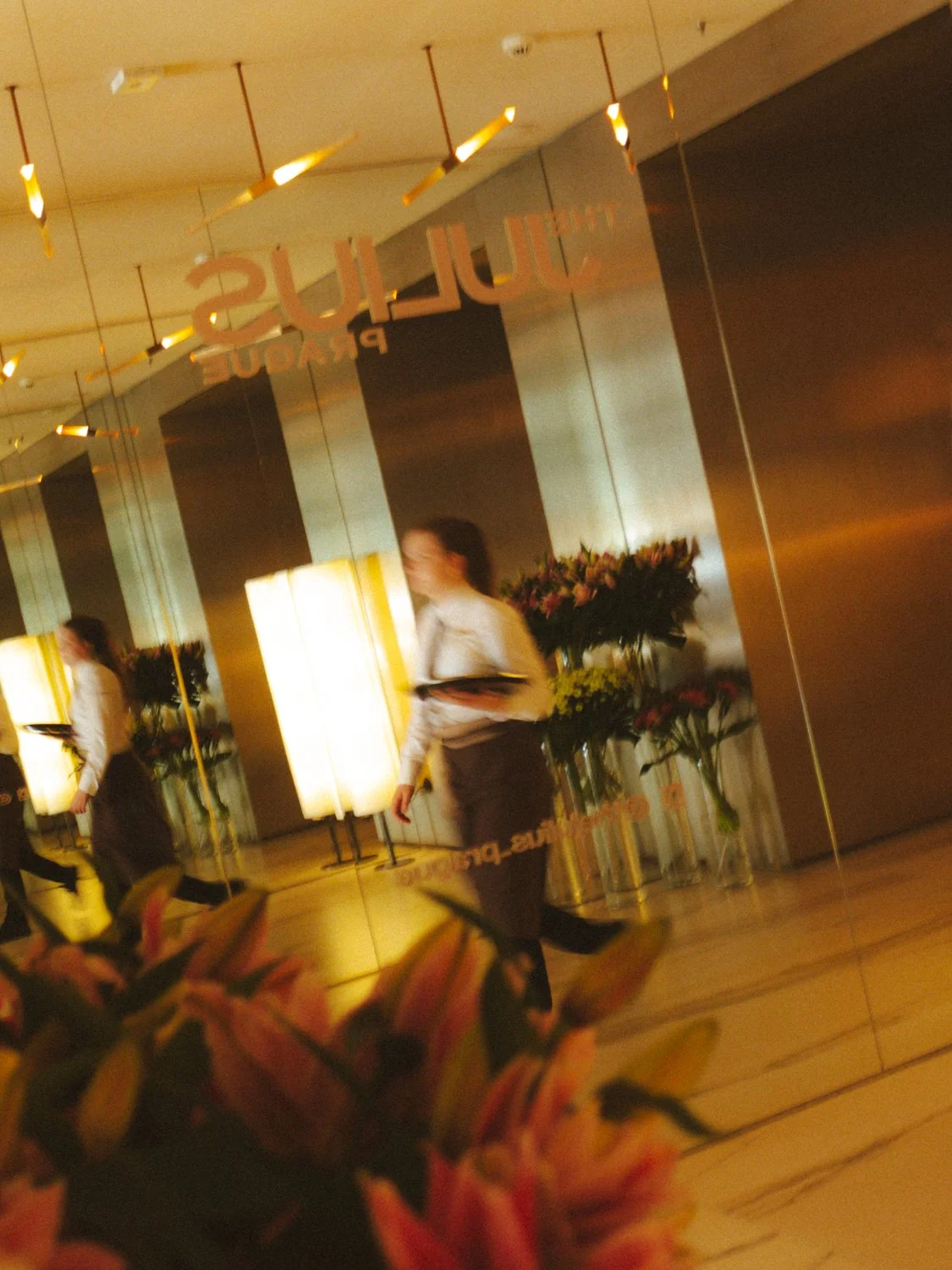
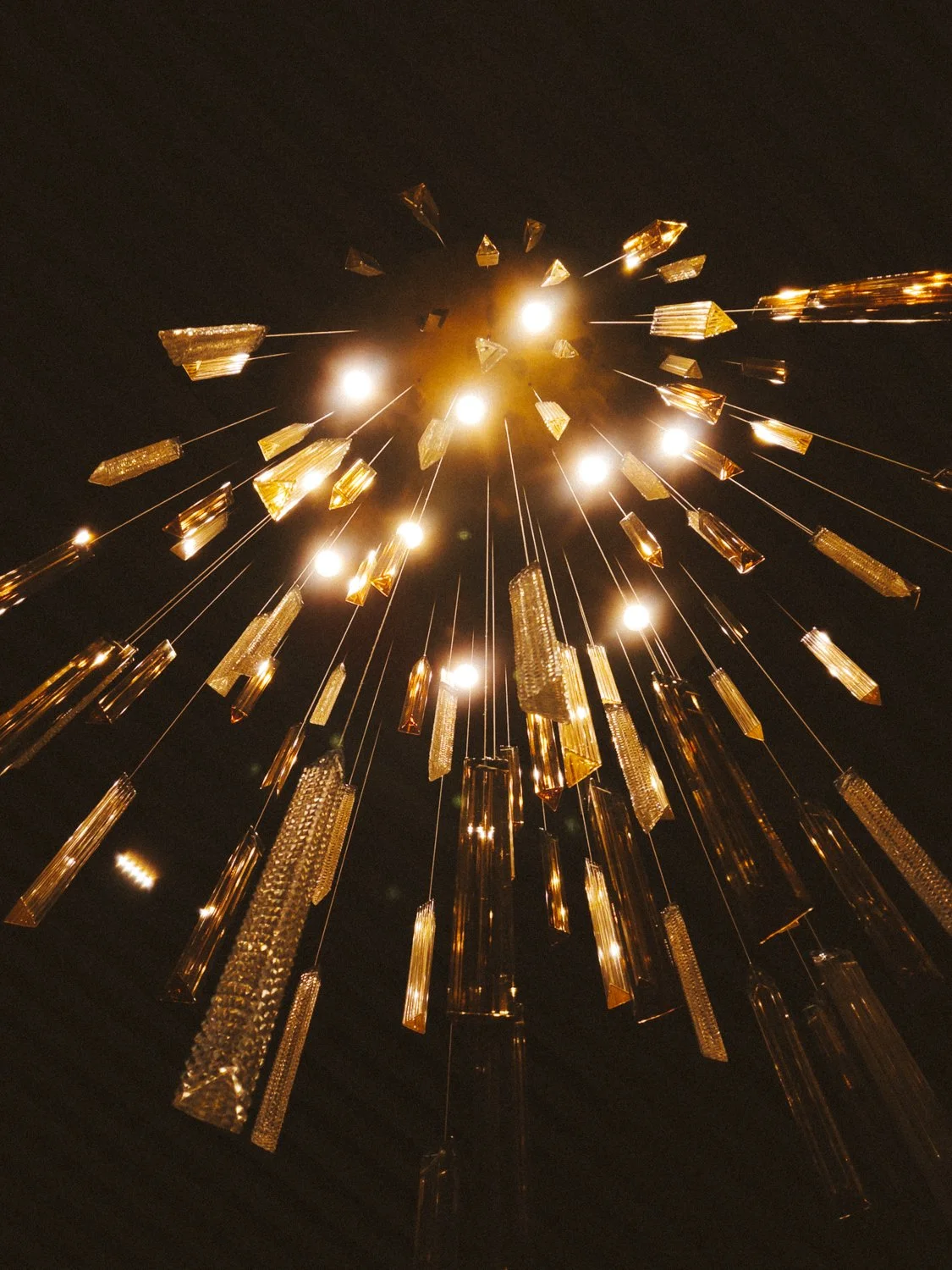
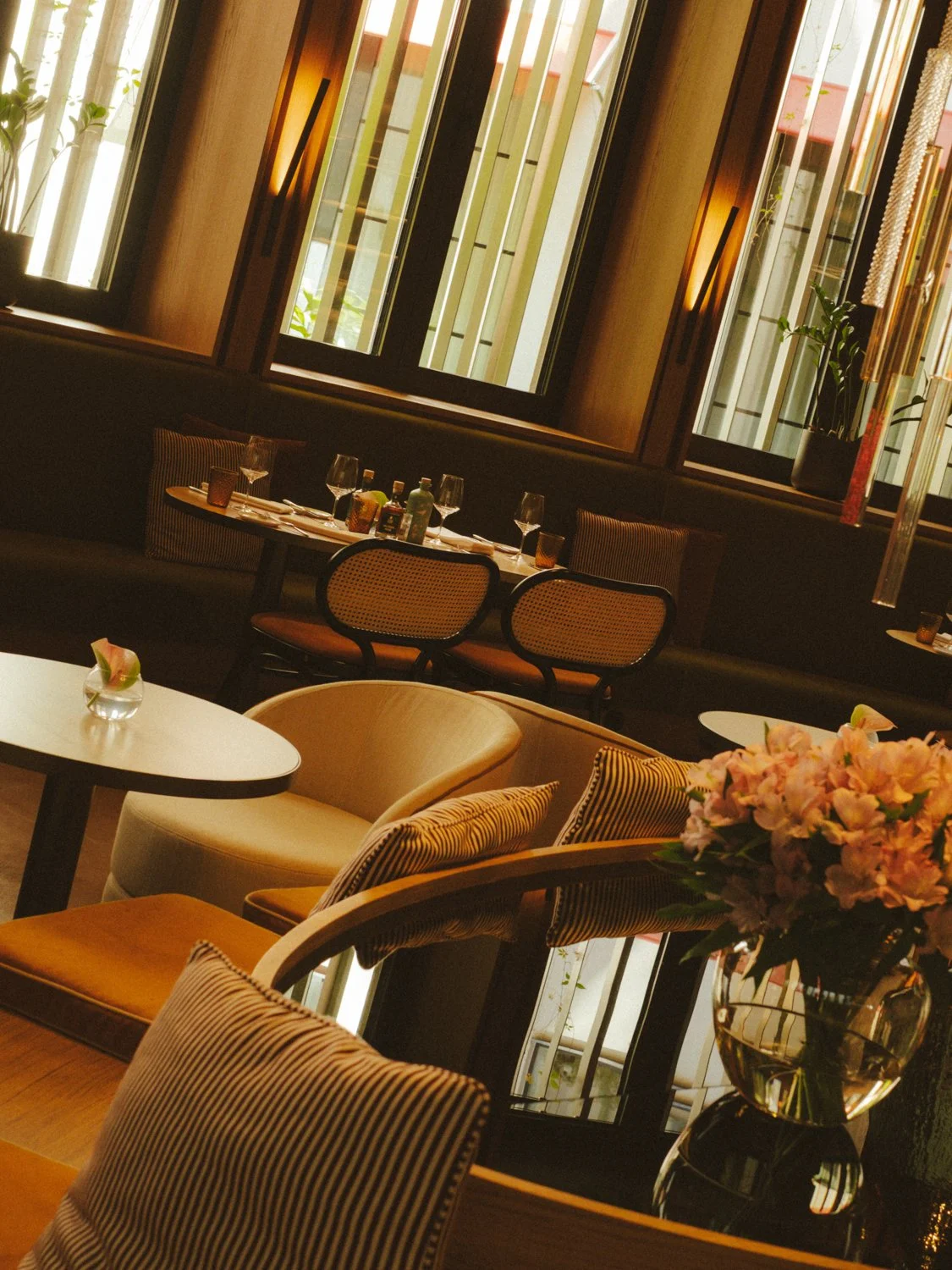
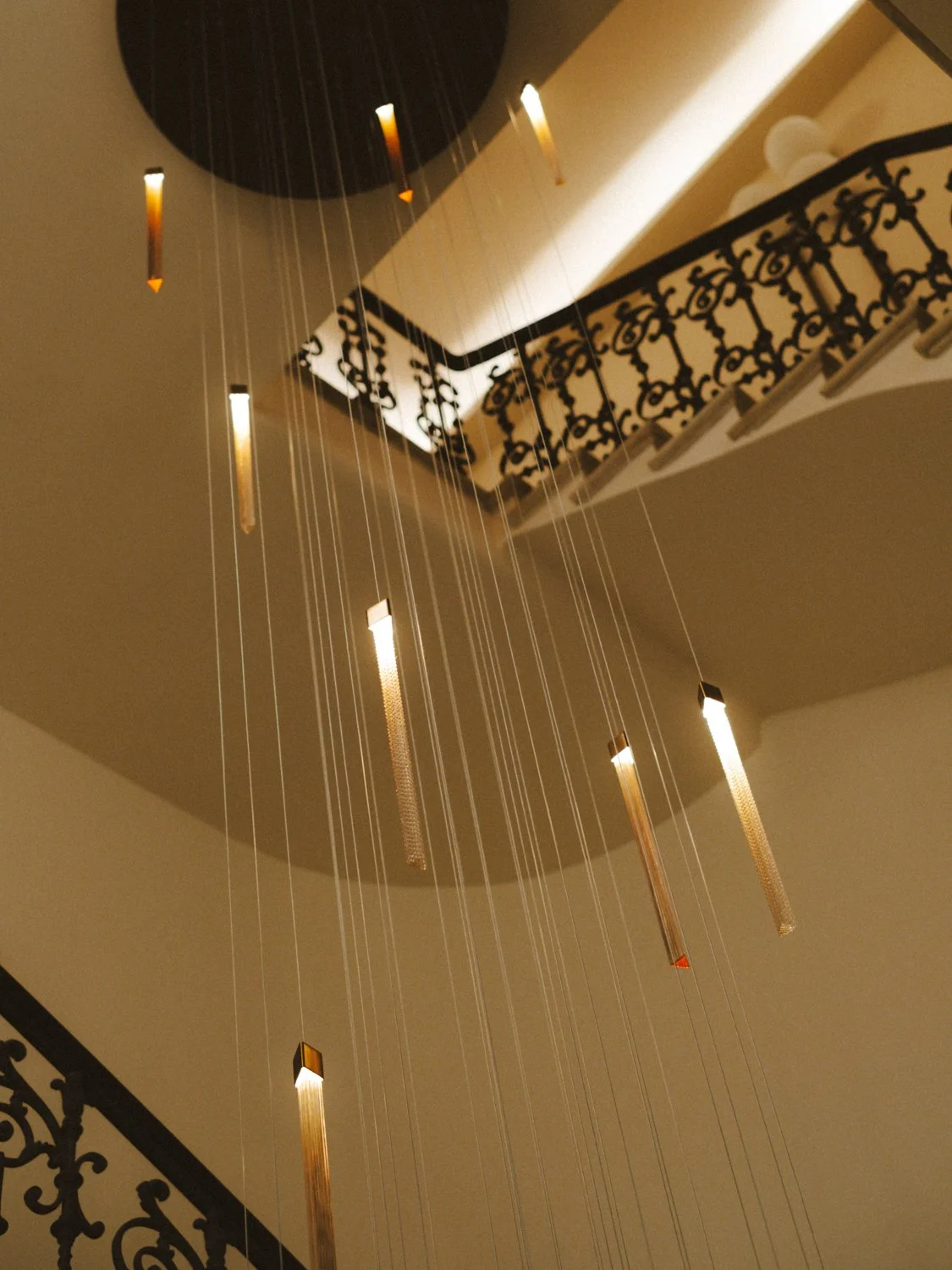
The entrance hall is modest. In the afternoon, light passes through the glass, and the quiet room's low, settled tones begin to glow, faintly. The reception greets you without excess warmth, yet with real attentiveness—offering precisely the care the moment calls for. Through the mirrored corridor leading to the rooms drifts an elegant, understated scent of flowers. Over the course of the residency, I saw the florist arrive twice to arrange them; within a single week, the passage had worn two different faces and carried two different scents.
So I set aside my instinct to document the space. I tried another way instead—first, I let myself move in.
建築空間,我拍攝已多年,習慣找角度、等光,呈現空間最完整、一目瞭然的樣子。進入 The Julius 駐館創作拍攝,我意識到,這裡不能如此。
入口門廳不大,午后暖陽透過玻璃窗,使得沉靜空間裡的低穩色調,隱隱含光。前台接待人員,沒有過度的熱情,但貼心,提供適切服務。穿過通往客房的鏡面廊道,有優雅清淡花香。駐館期間,見過兩回,花藝師前來佈置。一週內,此過道有兩副面貌與香味。
我捨棄拍照本能,換一種方式,先把自己住進去。
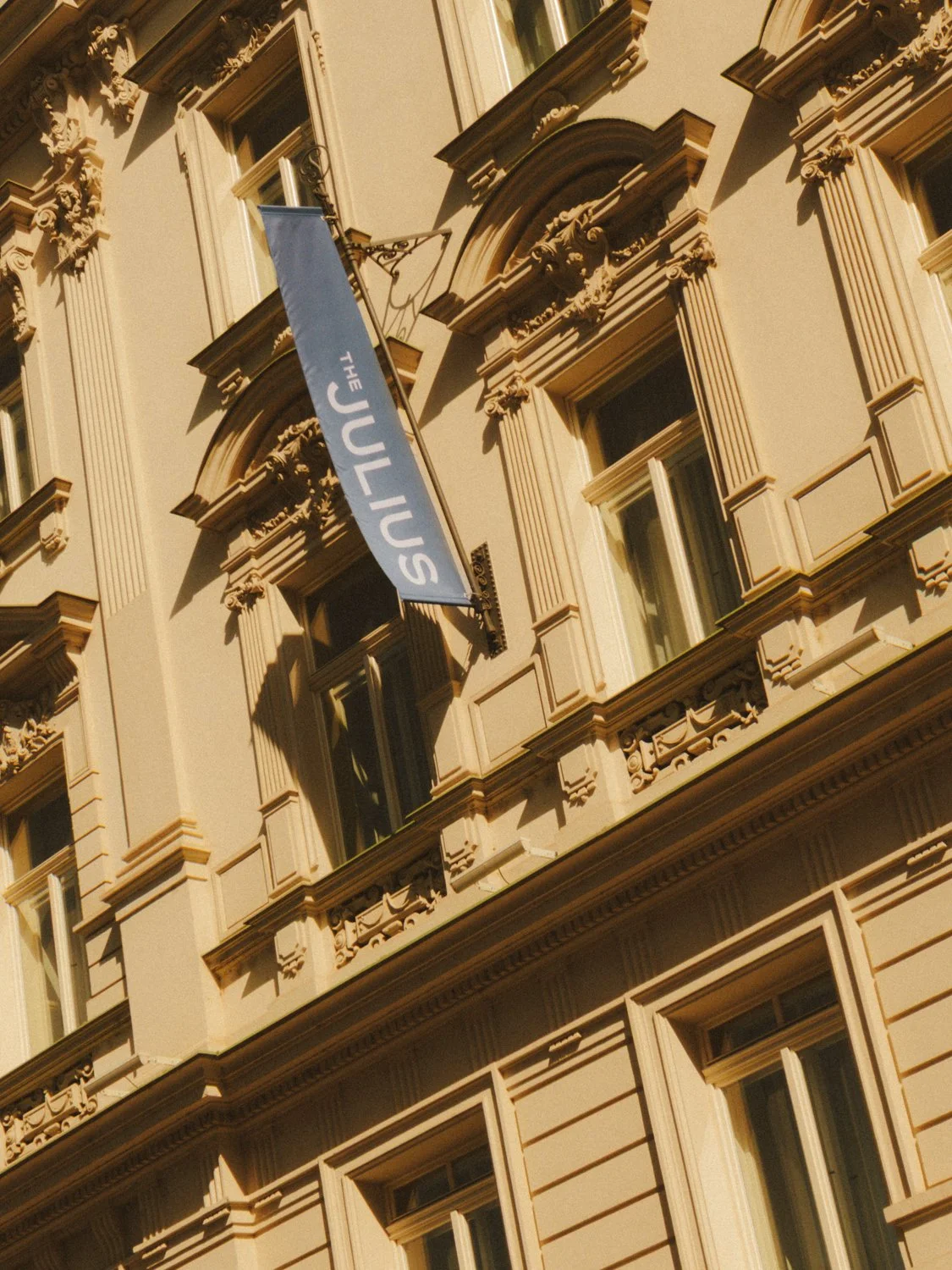
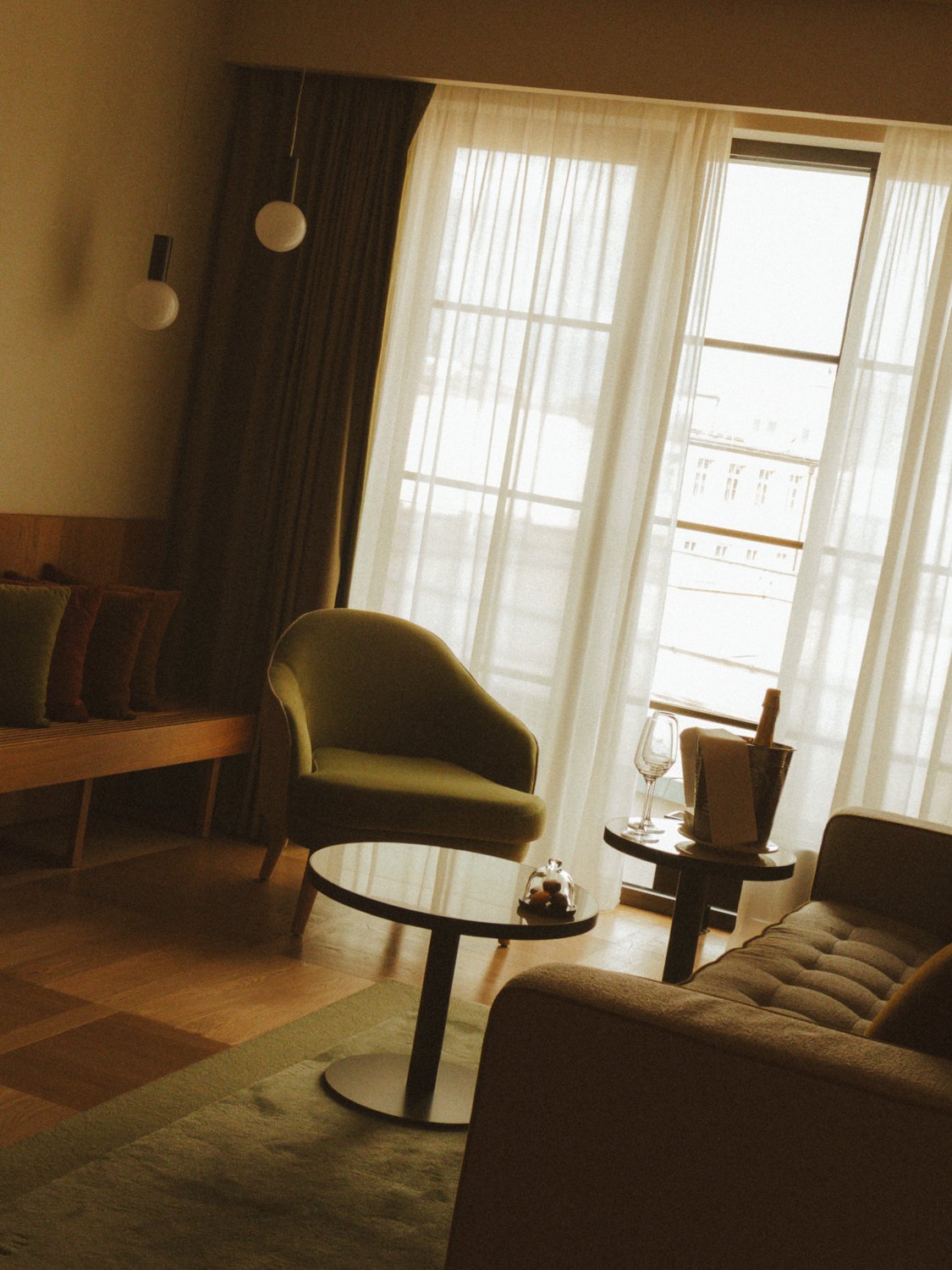
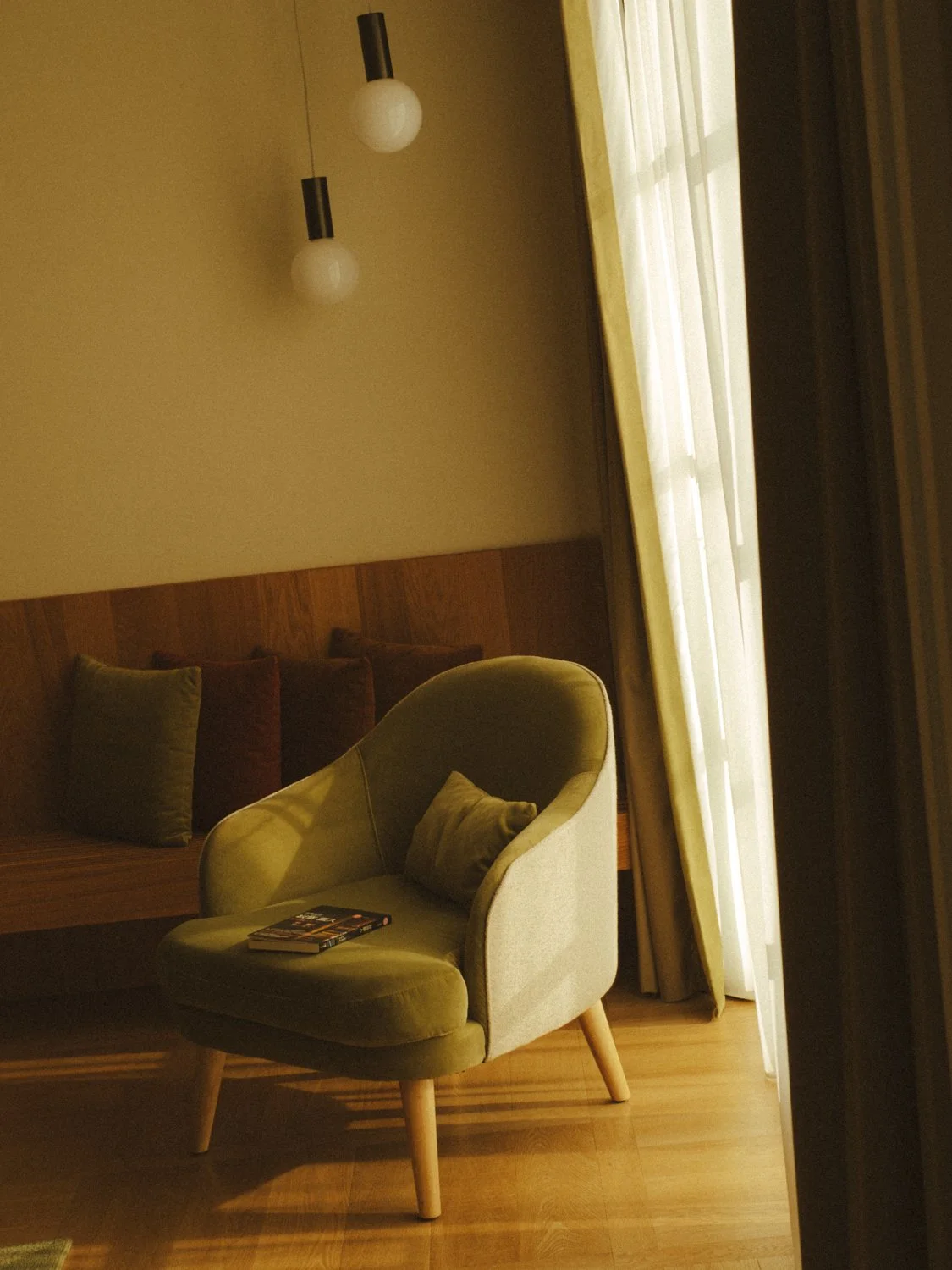
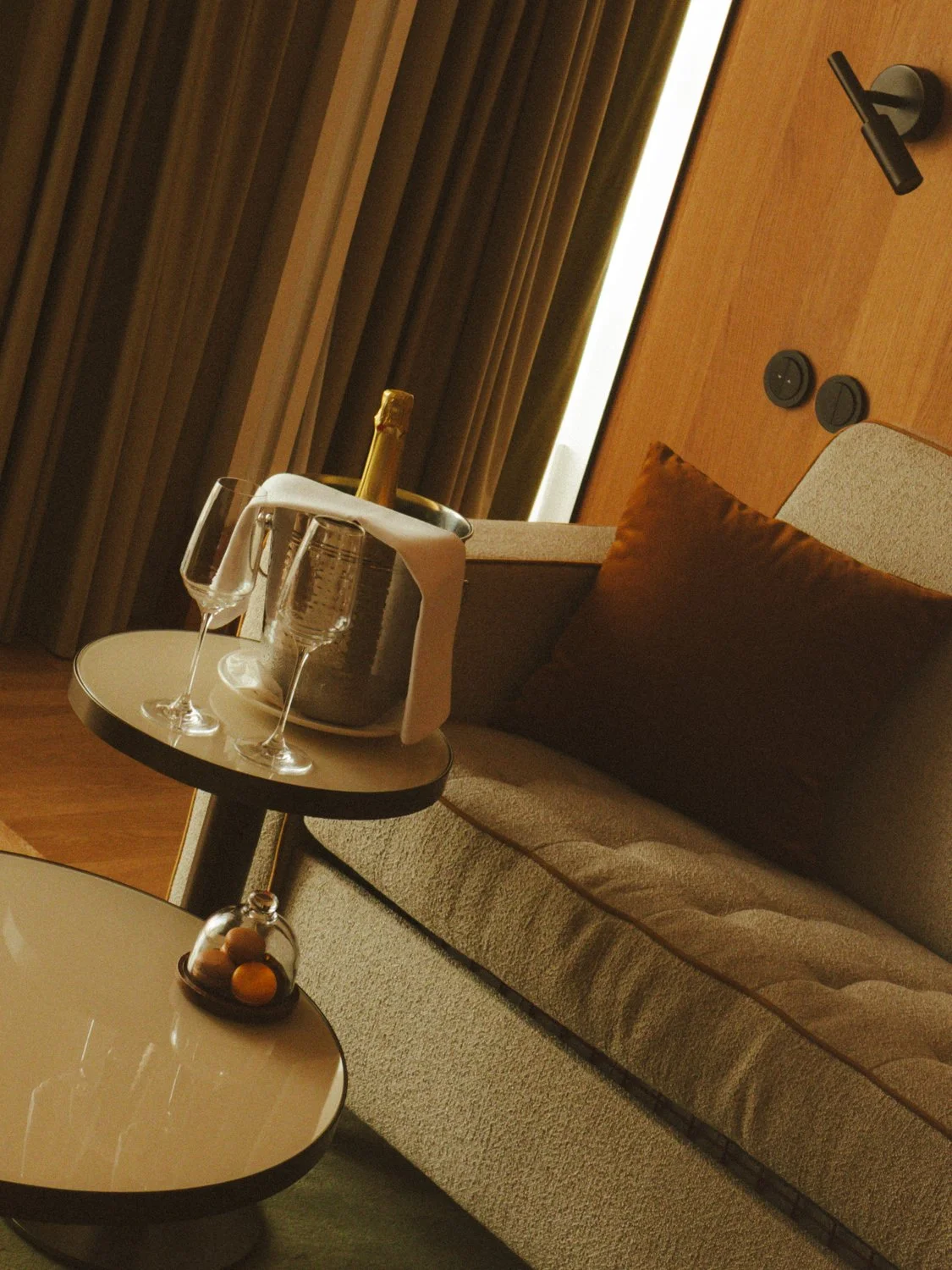
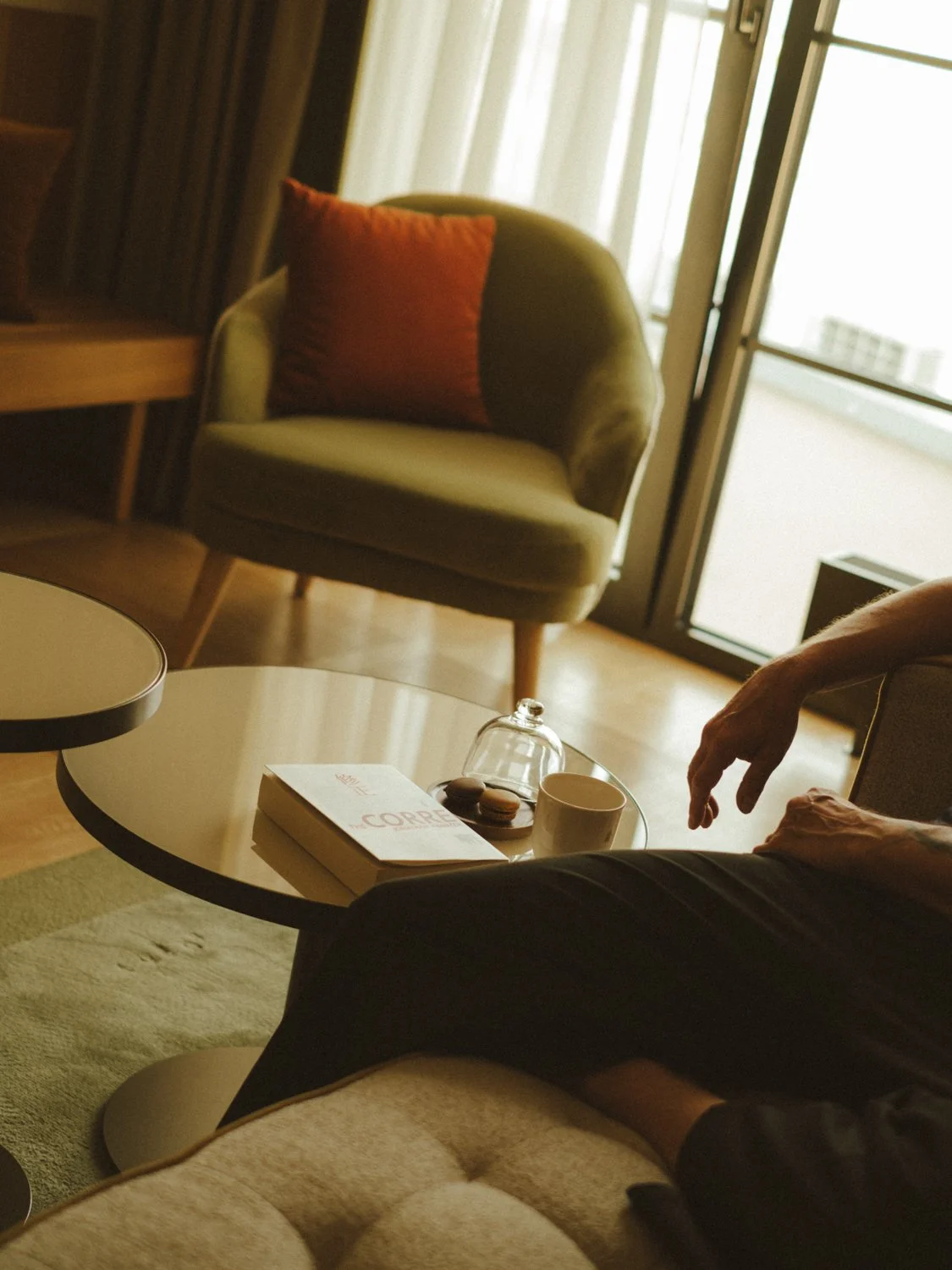
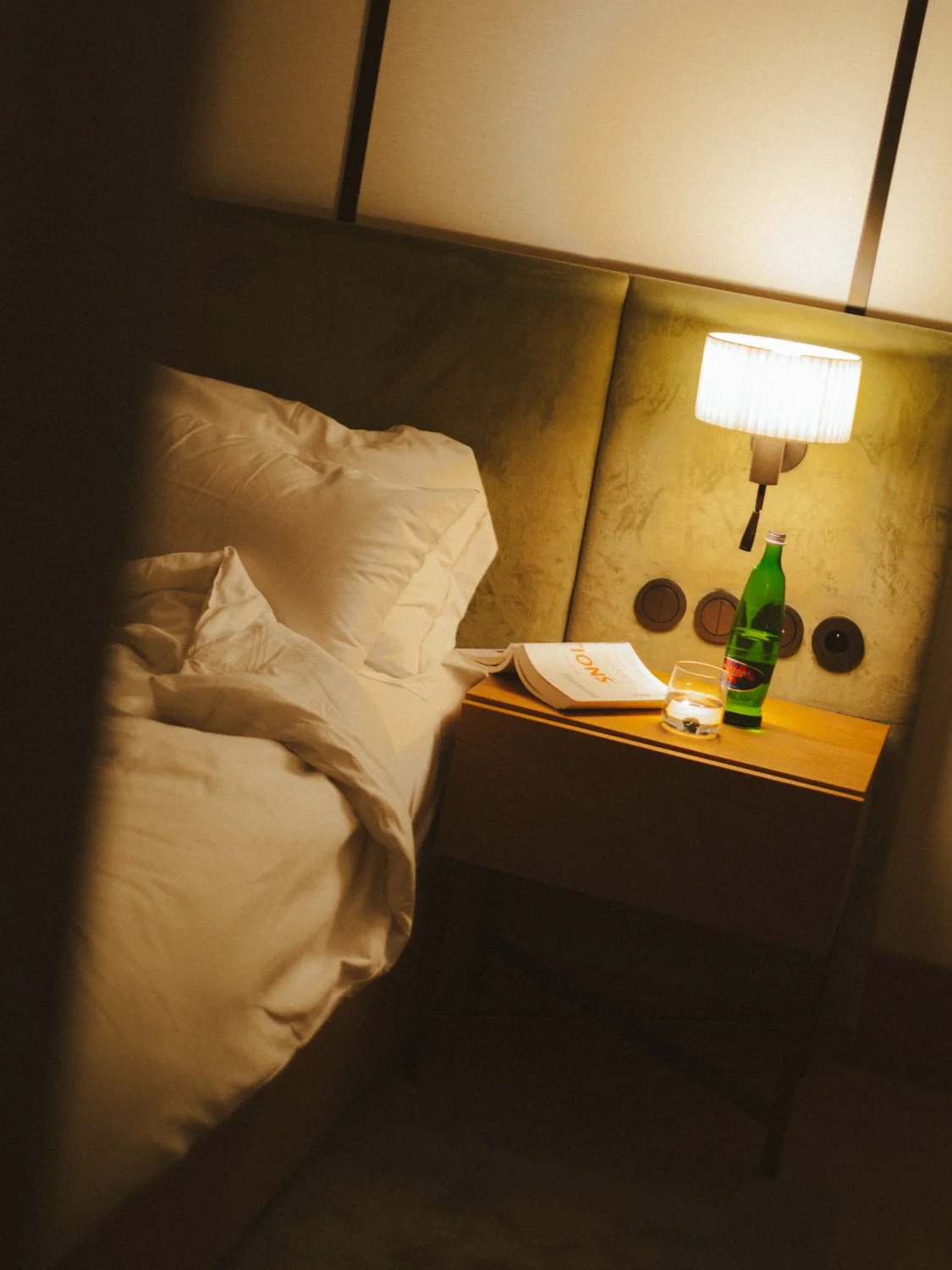
The rooms here are, to put it precisely, closer to apartments.
The building was redesigned by Matteo Thun & Partners. Rather than pasting Czech art on as decoration, they let its elements and spirit filter into the space—Mucha's Art Nouveau sensibility dissolving into soft pastels; Kupka's abstraction and colour tucked into the materials and the proportions.
Having begun in food, the name Julius Meinl is no stranger in Central Europe. The family later moved into hospitality, turning their regard for things made well into a way of living. The Julius doesn't feel like a hotel; it has no wish to play landlord, but rather invites you to live here. Each room has an open kitchen (fully equipped—you can genuinely cook) and a dining table (which, during my stay, I used as a desk; in the wall beside it, a cleverly hidden cabinet—a delightful surprise to discover). The place becomes, in effect, an apartment lent to you by a friend of good taste, somewhere in the city.
這裡的房,更像公寓,是布拉格為旅人準備的家。
建築經 Matteo Thun & Partners 事務所重新設計。他們把捷克的元素與精神,滲透空間——Mucha 的新藝術氣質,化成柔和粉彩;Kupka 的抽象與色彩,隱在材質與比例中。
以食品起家,Julius Meinl 的名字,在中歐不陌生。後來發展旅宿,把講究事物品質的態度,延展成生活模樣。The Julius 不似旅館,沒想成為房主,而是邀你在此生活。房內設開放式廚房(樣樣具備,可實際料理)、有餐桌(期間,我把它當工作桌,桌旁牆面藏有巧妙暗櫃,是驚喜發現)。
這裡化身成從某個有品味的友人,在城裡借來的公寓。
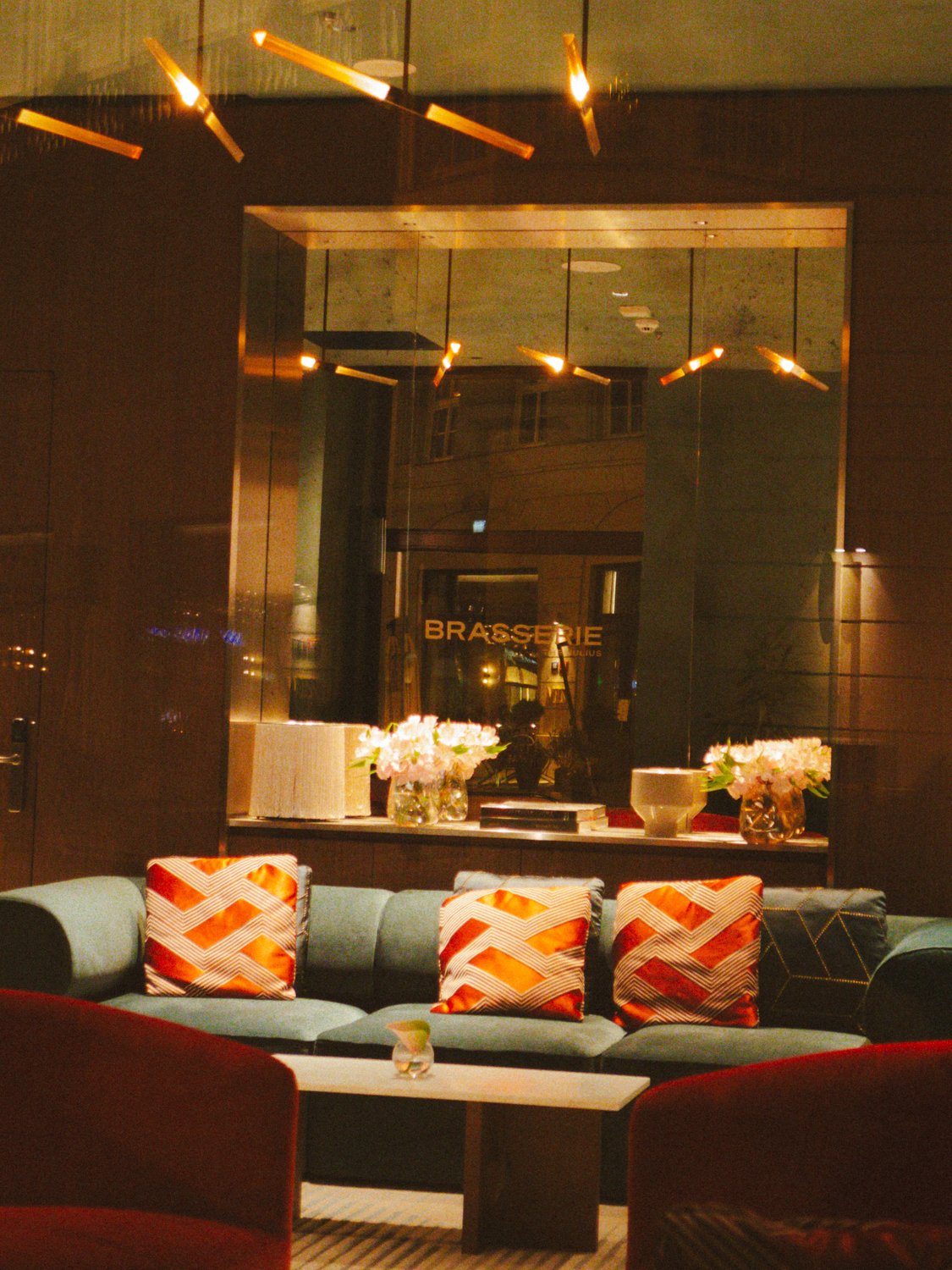
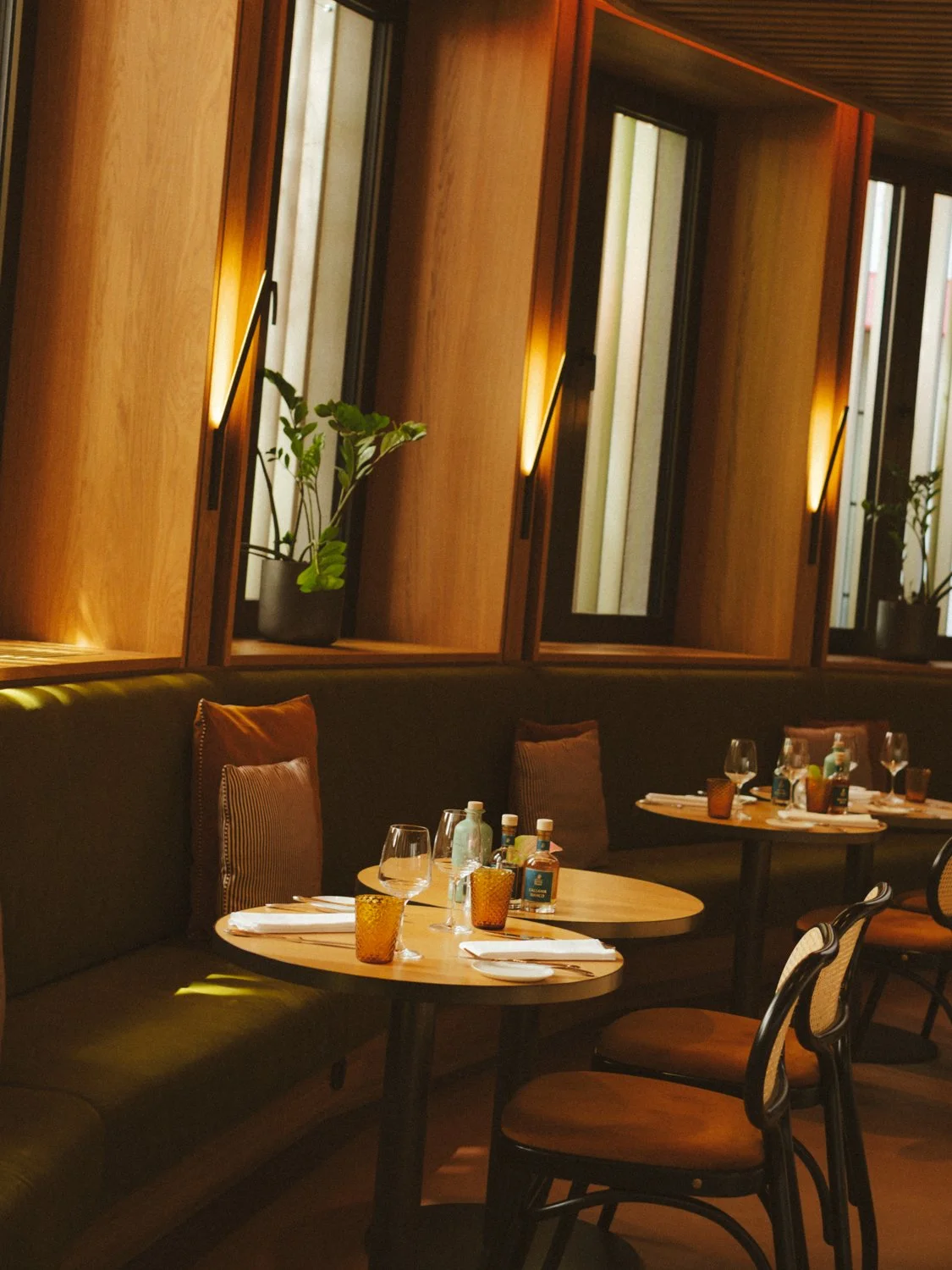
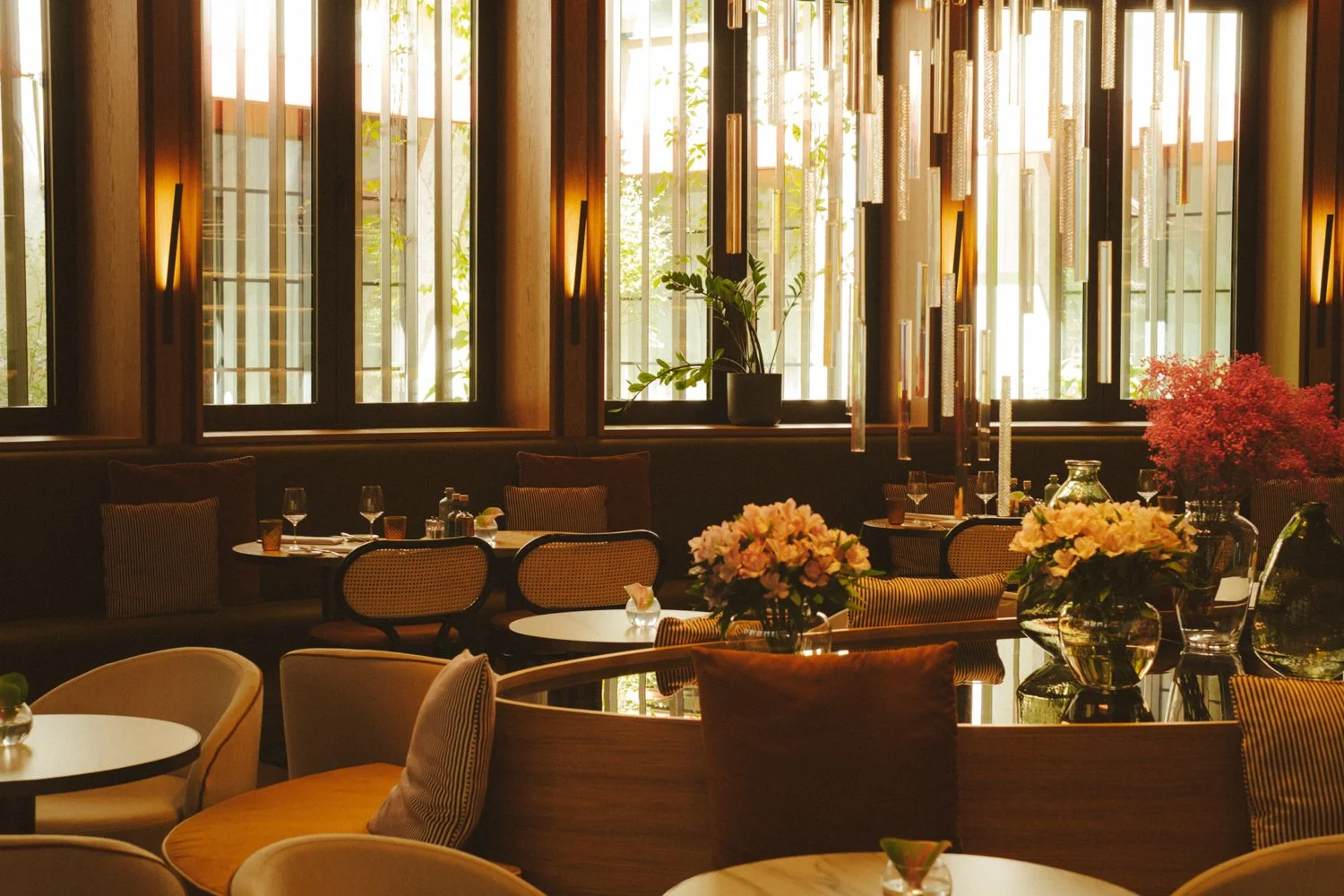
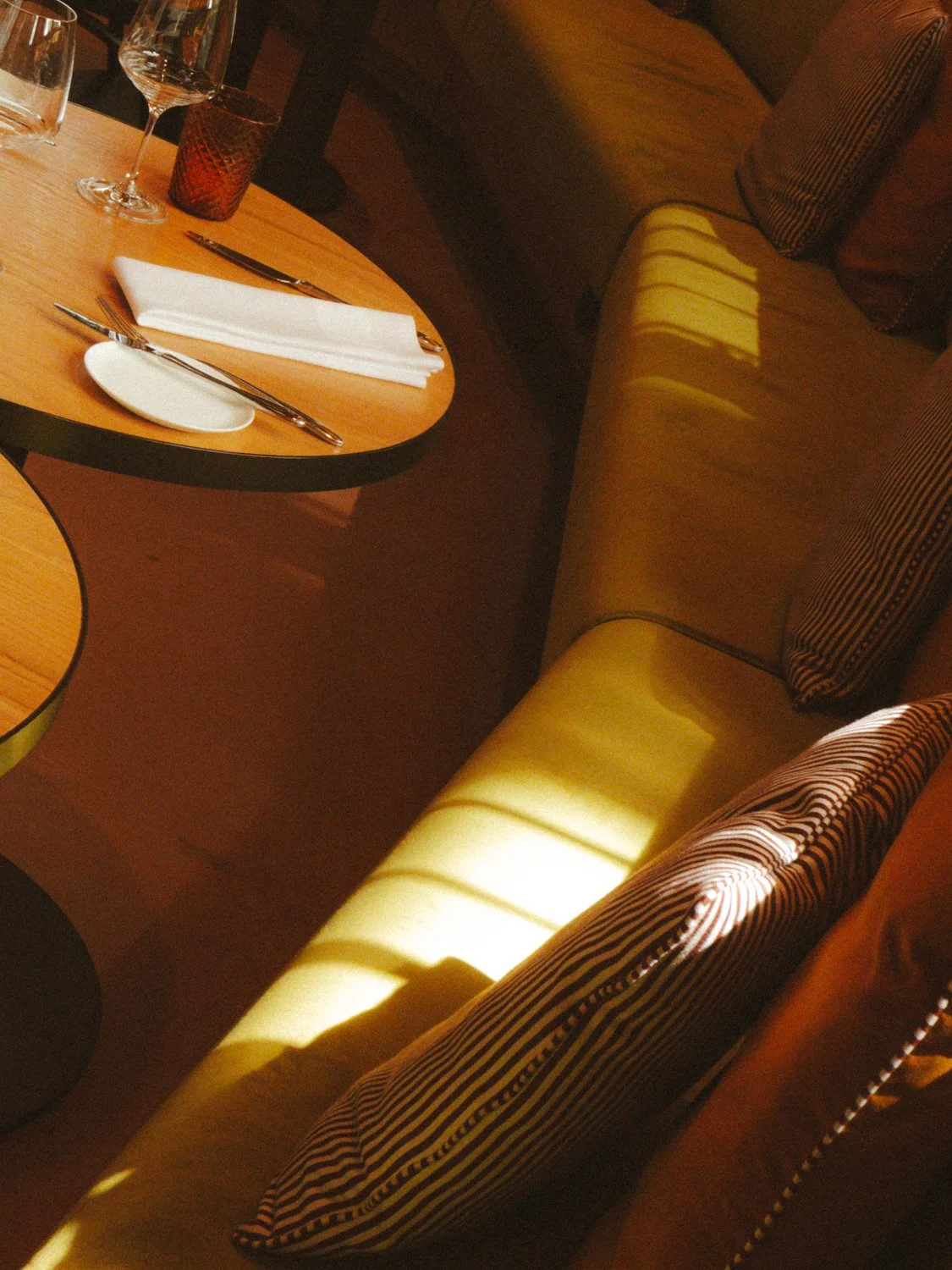
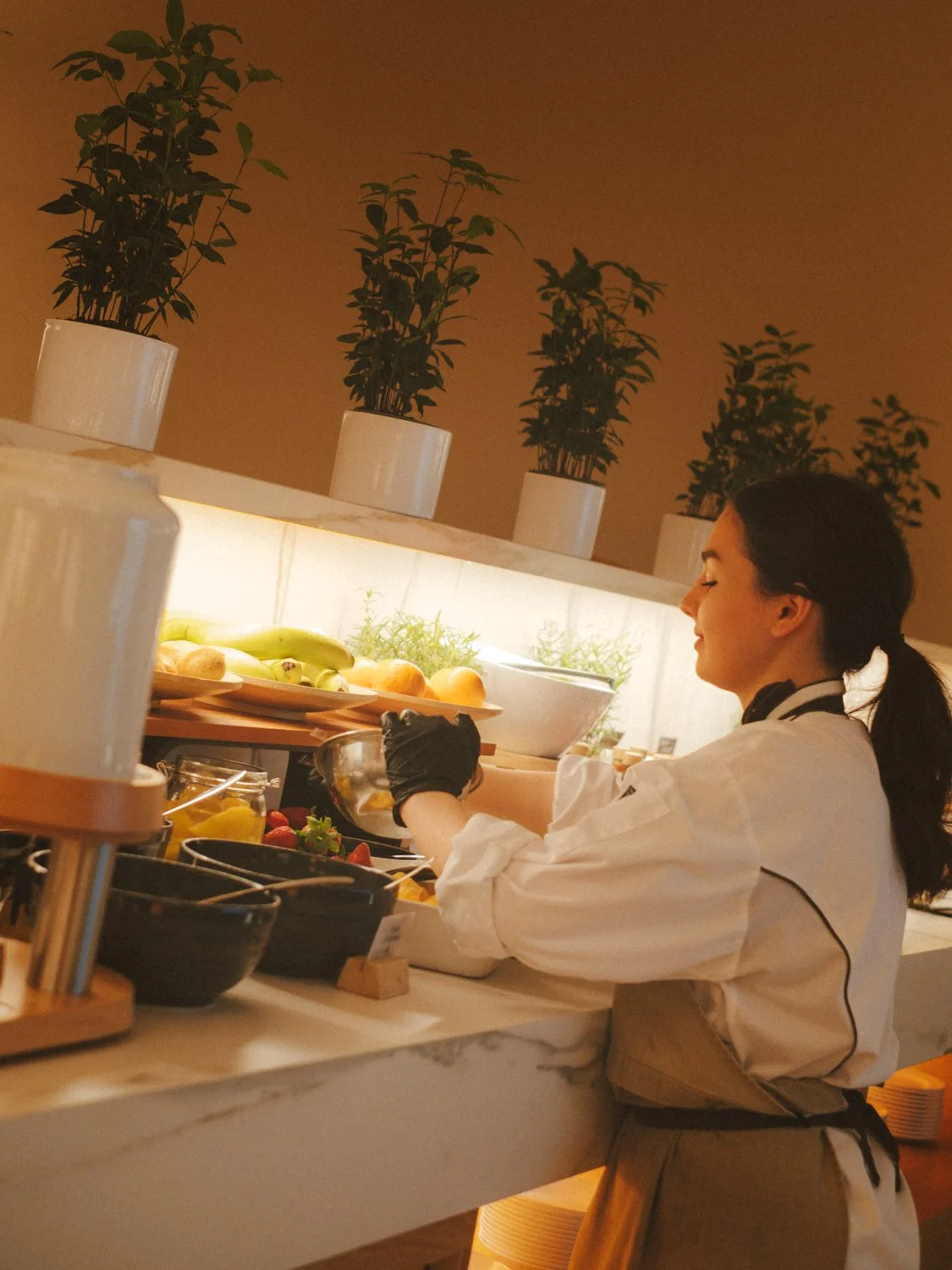
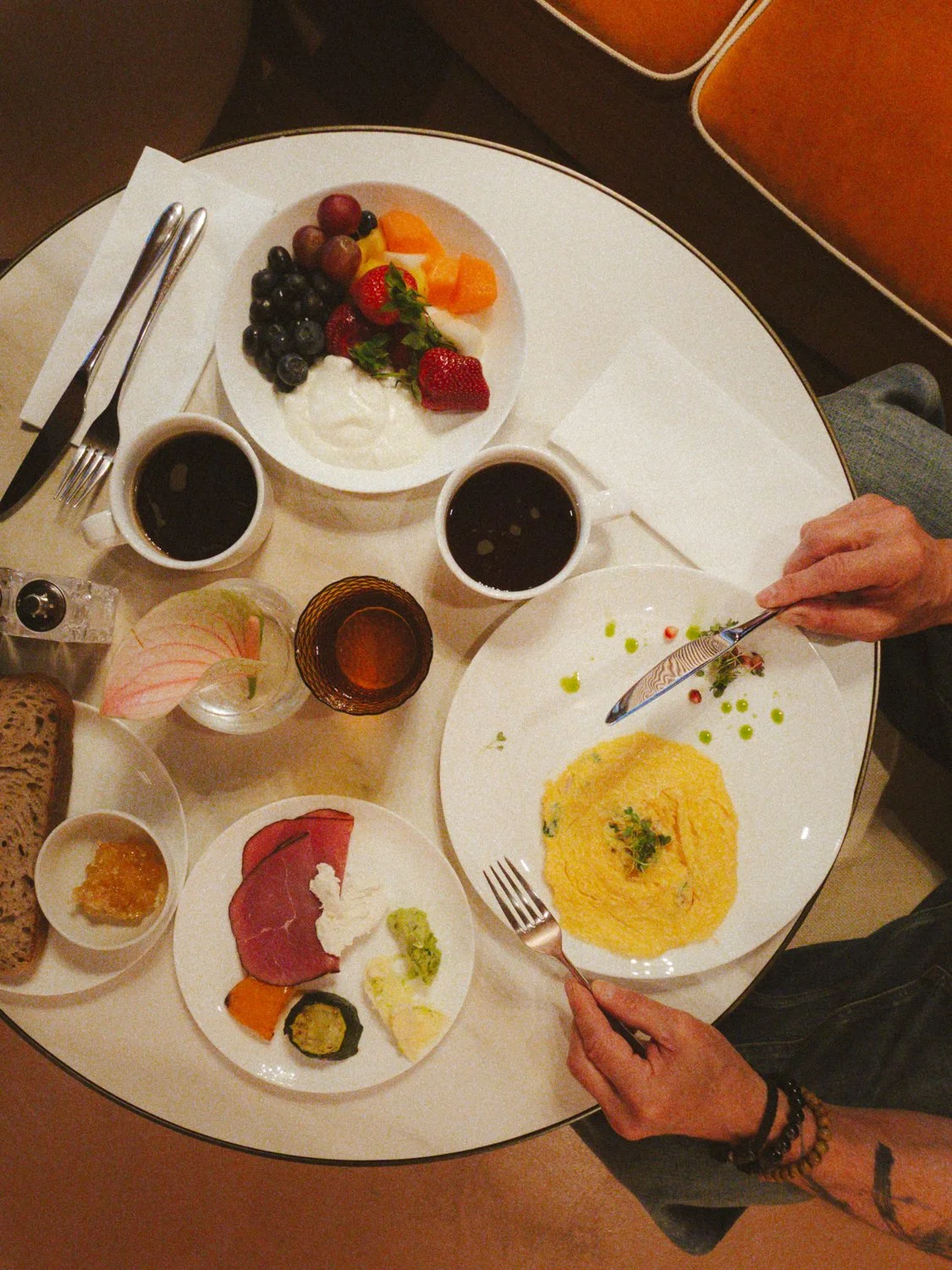
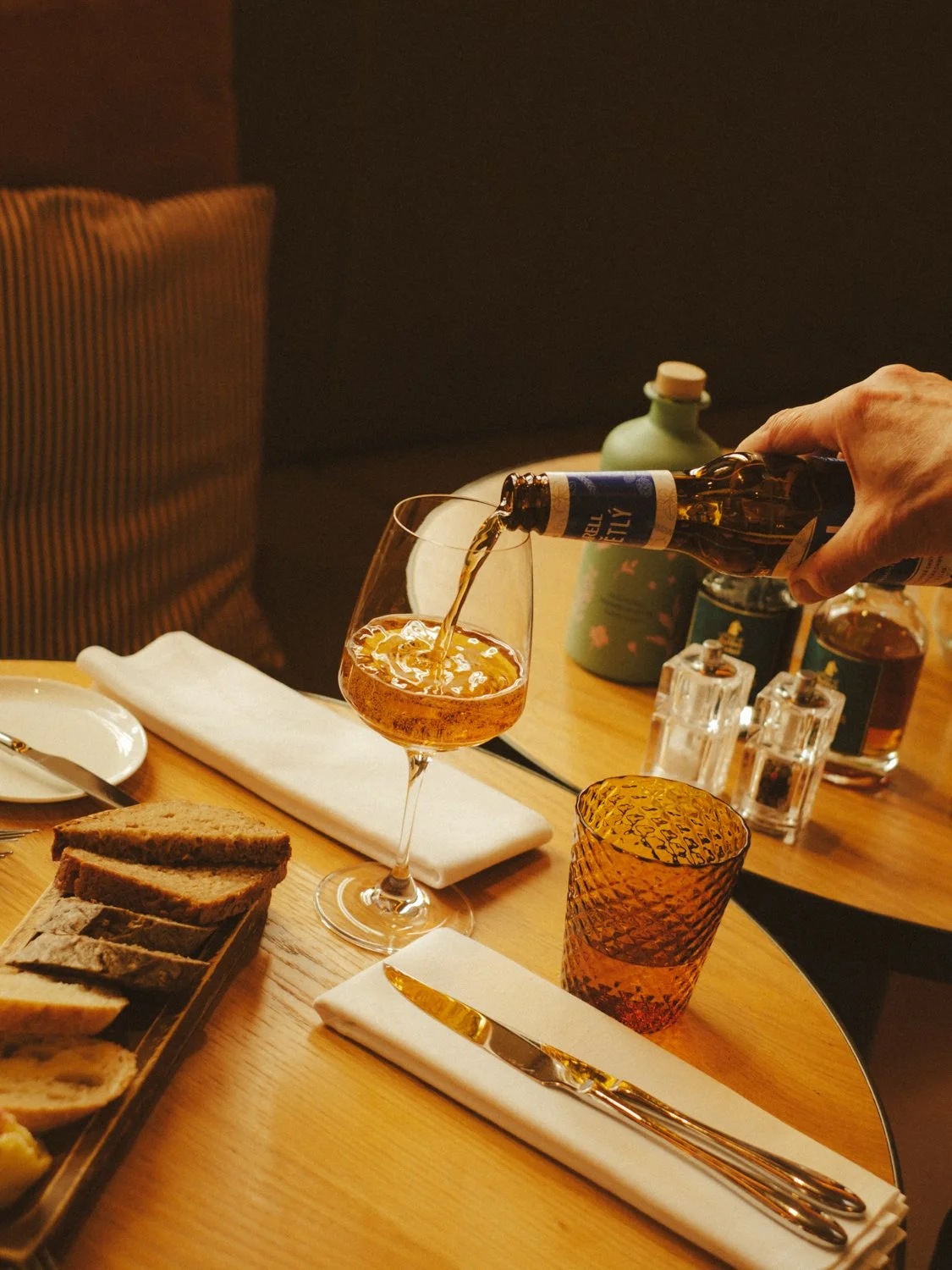
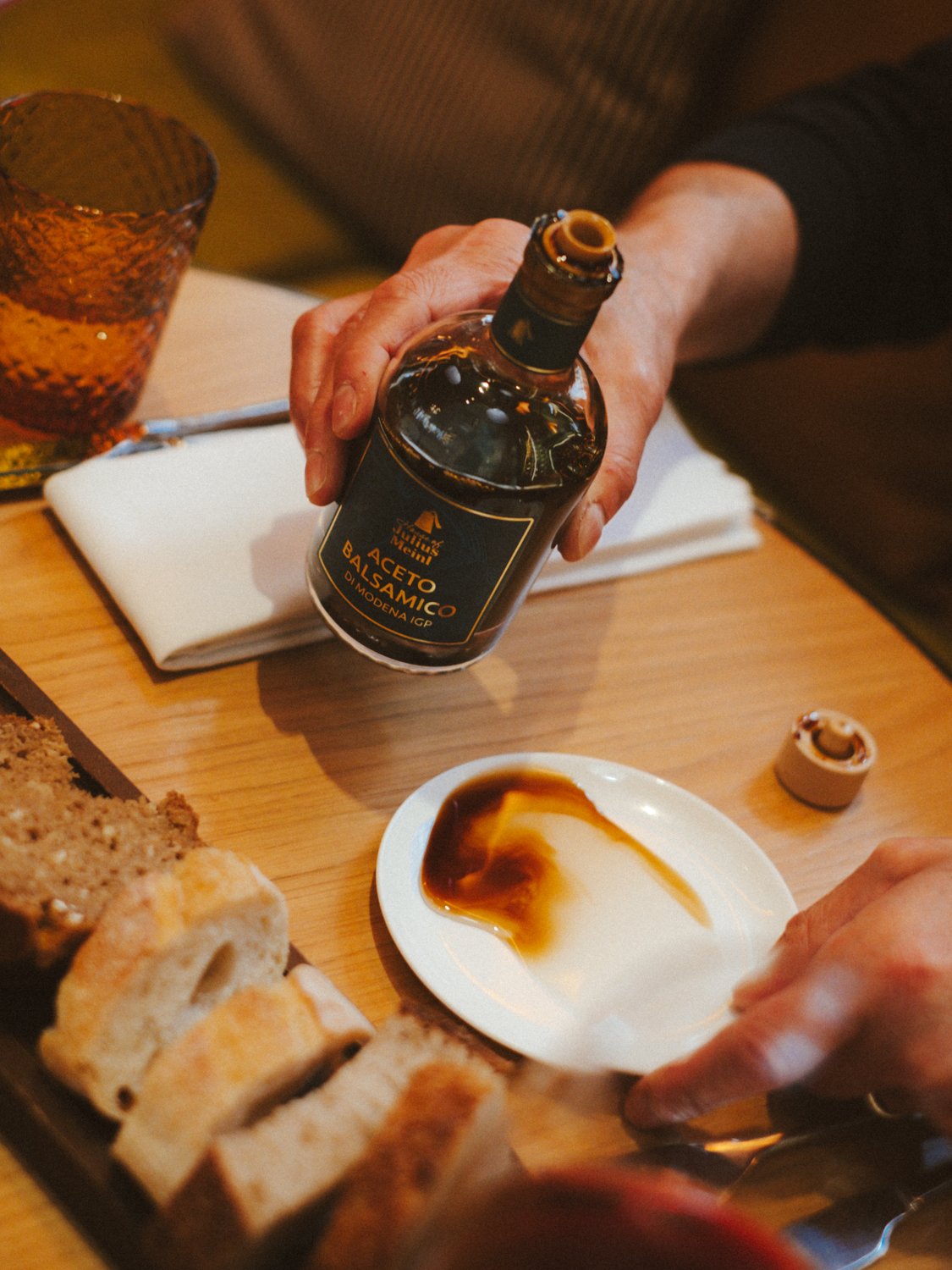
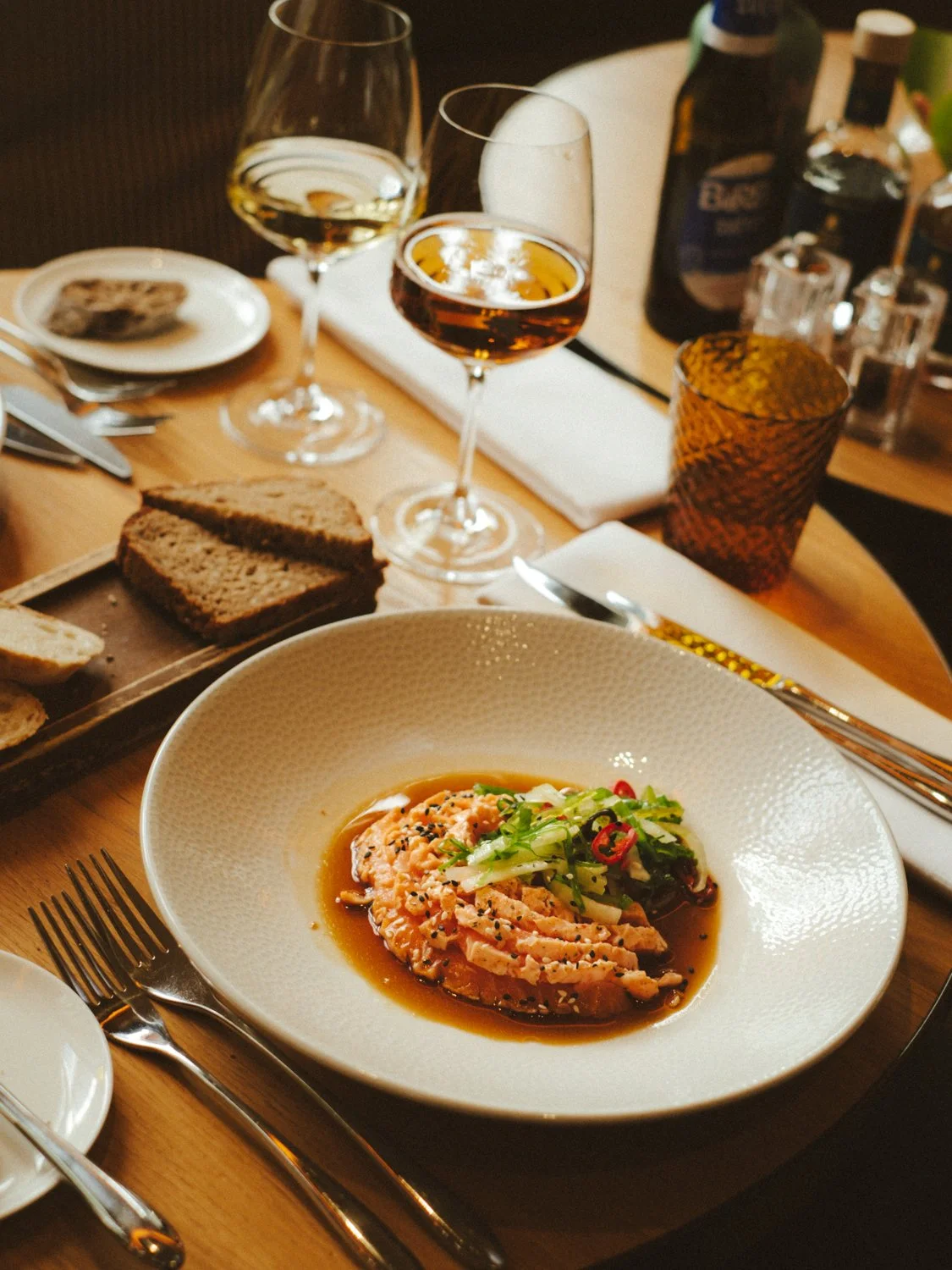
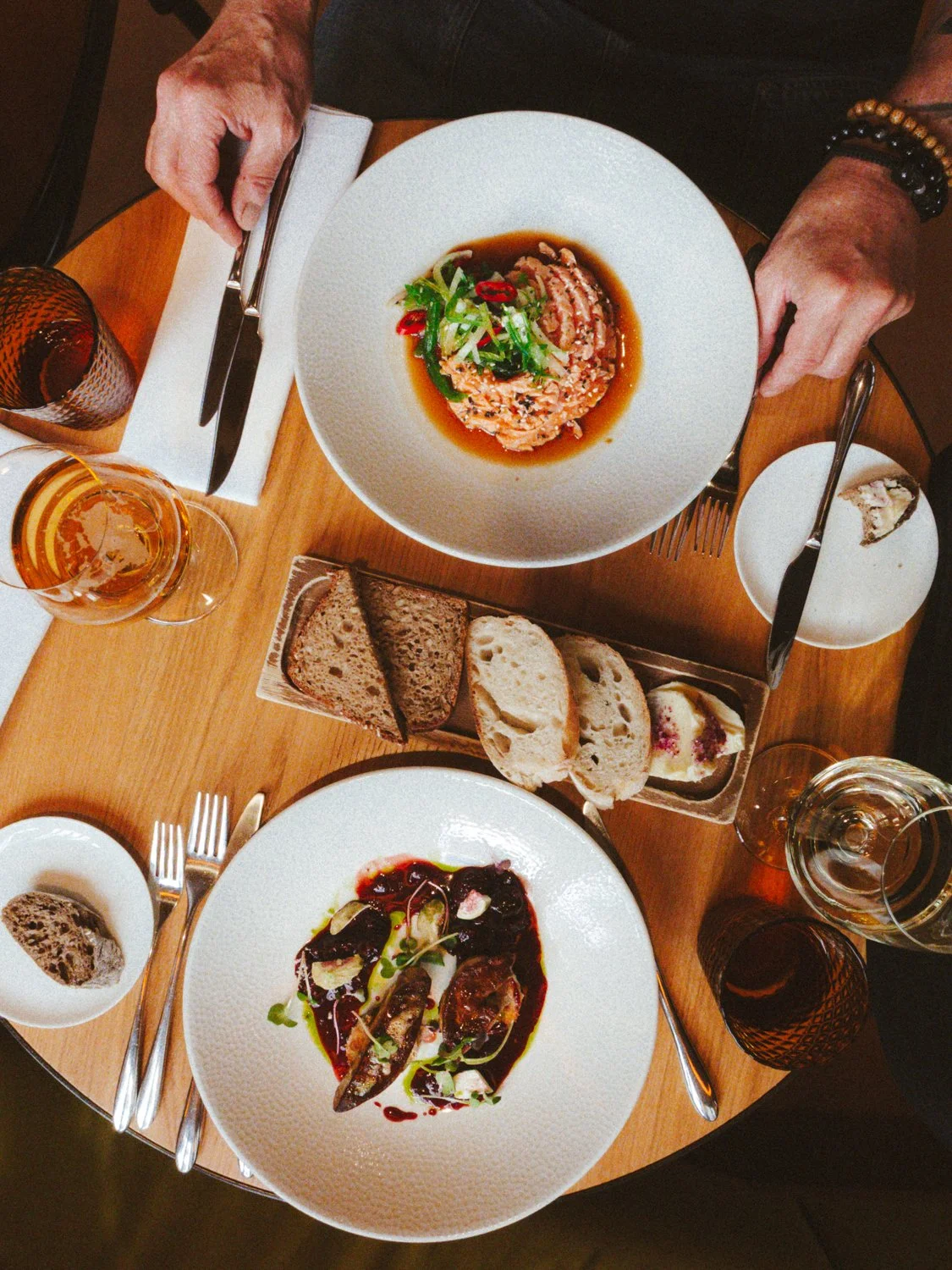
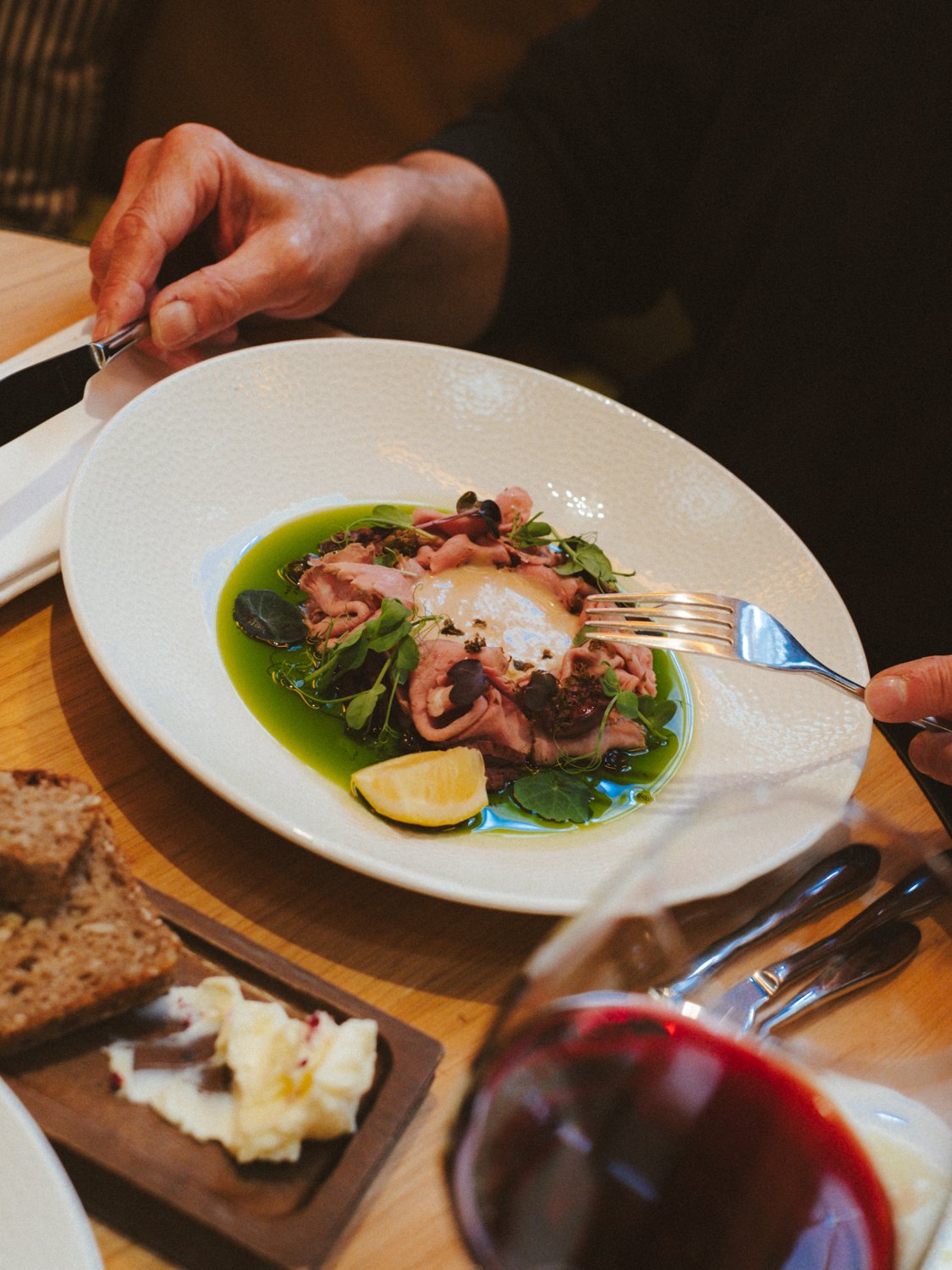
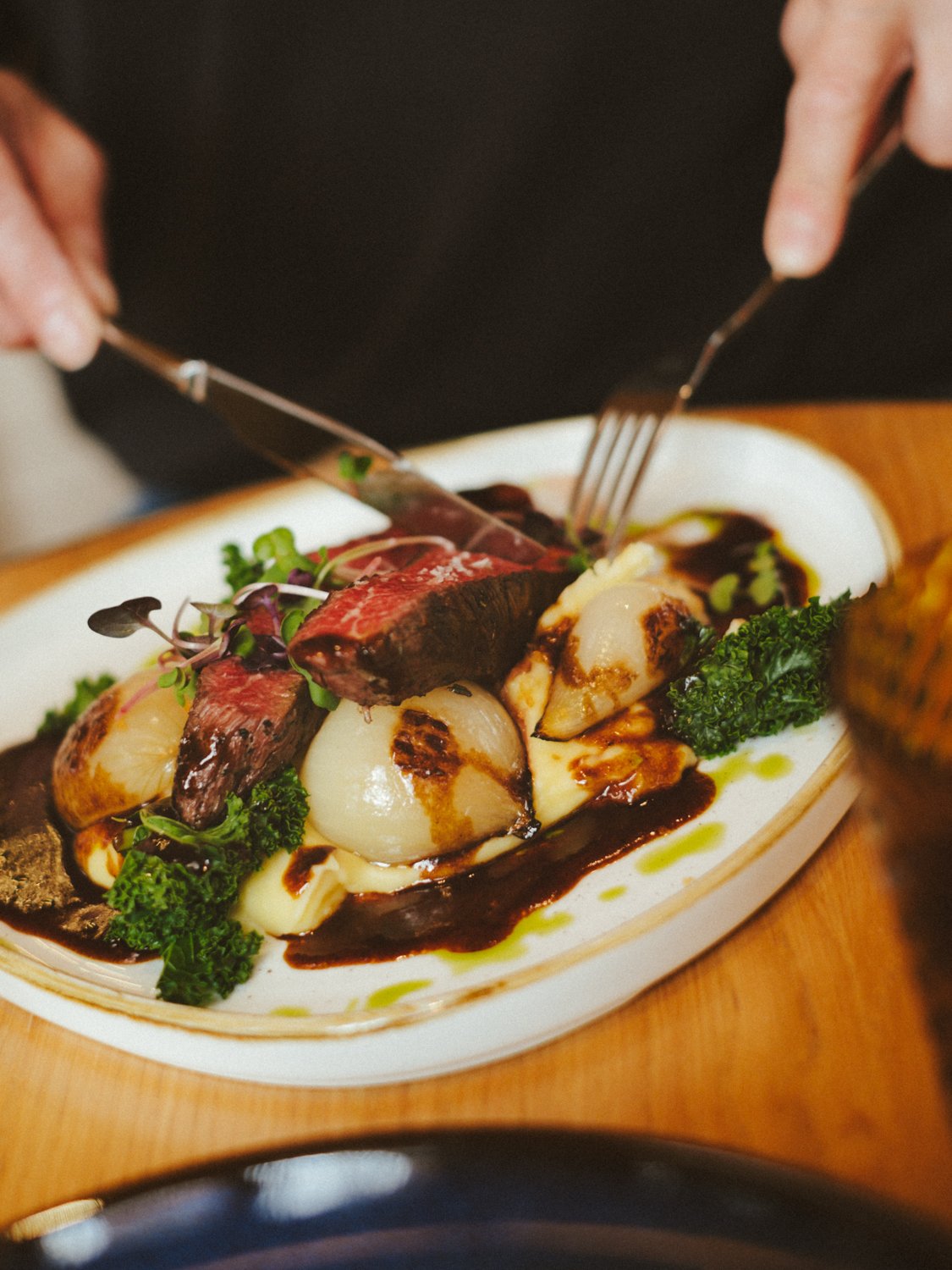
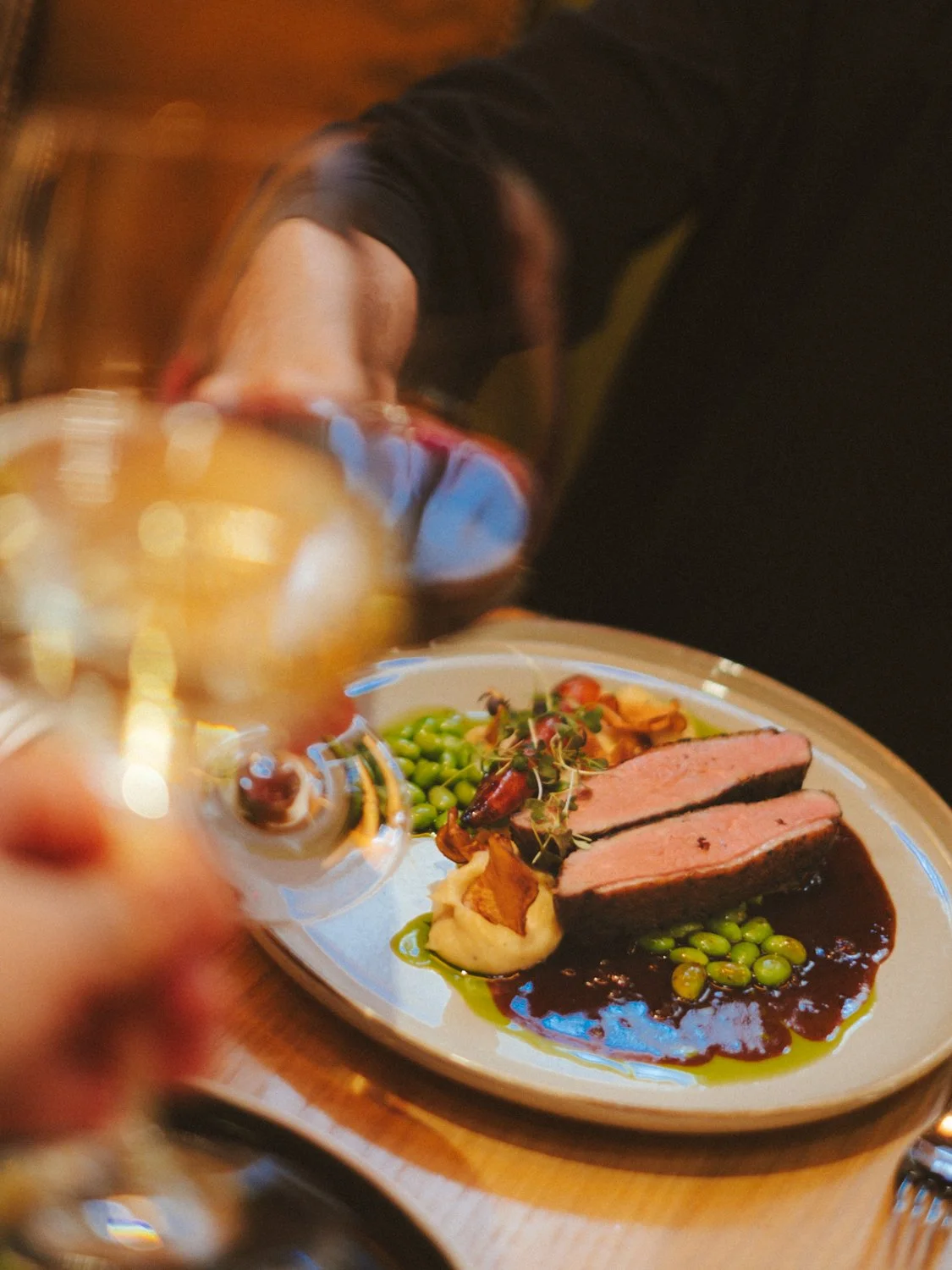
The hotel's dining is the Brasserie. Breakfast is bright and unhurried; lunch is light and easy. In the evening, it sets a table for you. The design is elegant, the layout understated, with a green courtyard beyond the windows—and at every hour, in every seat, the light and shadow shift and deepen. I move from place to place, changing the way the meal looks to me.
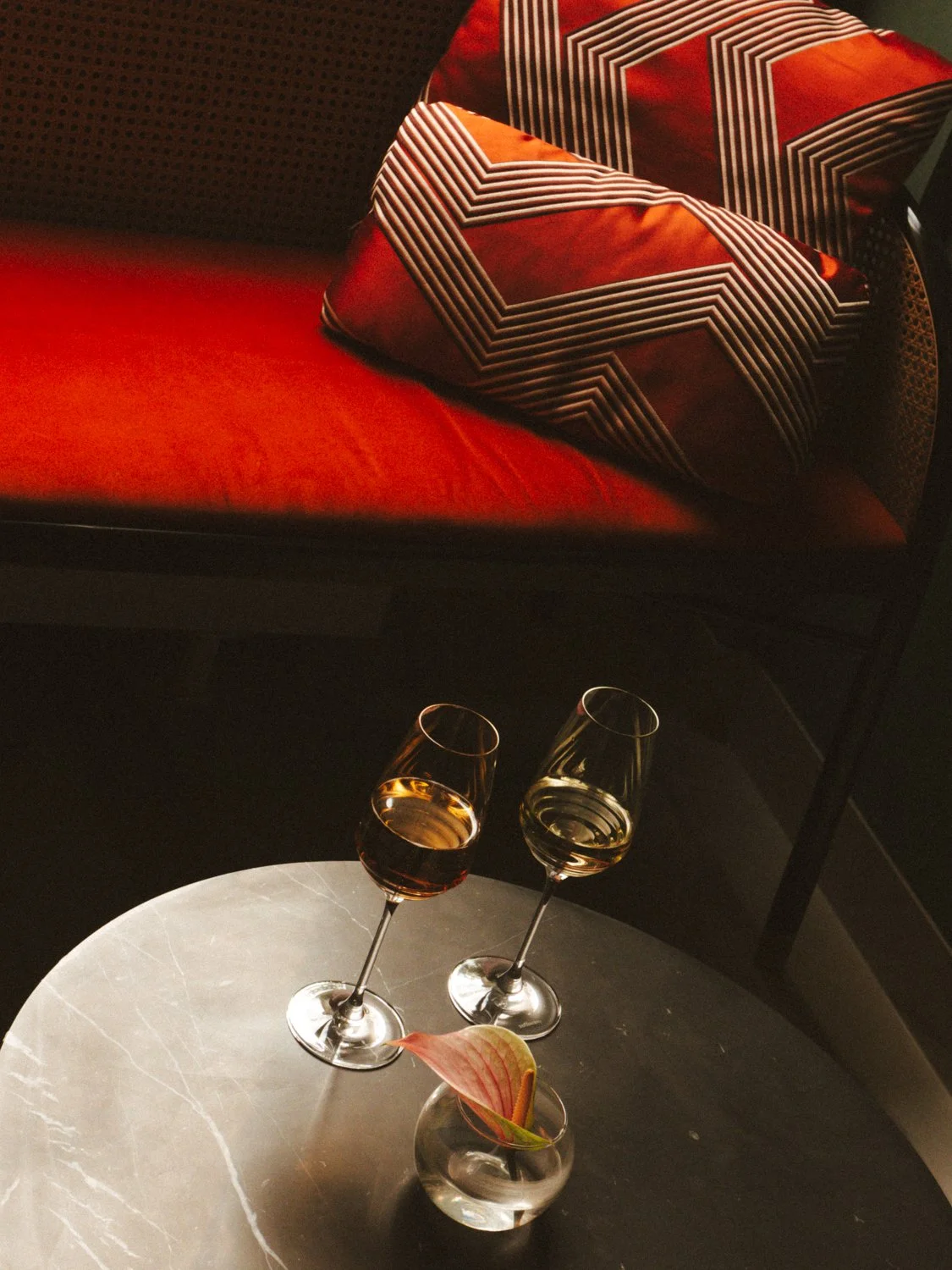
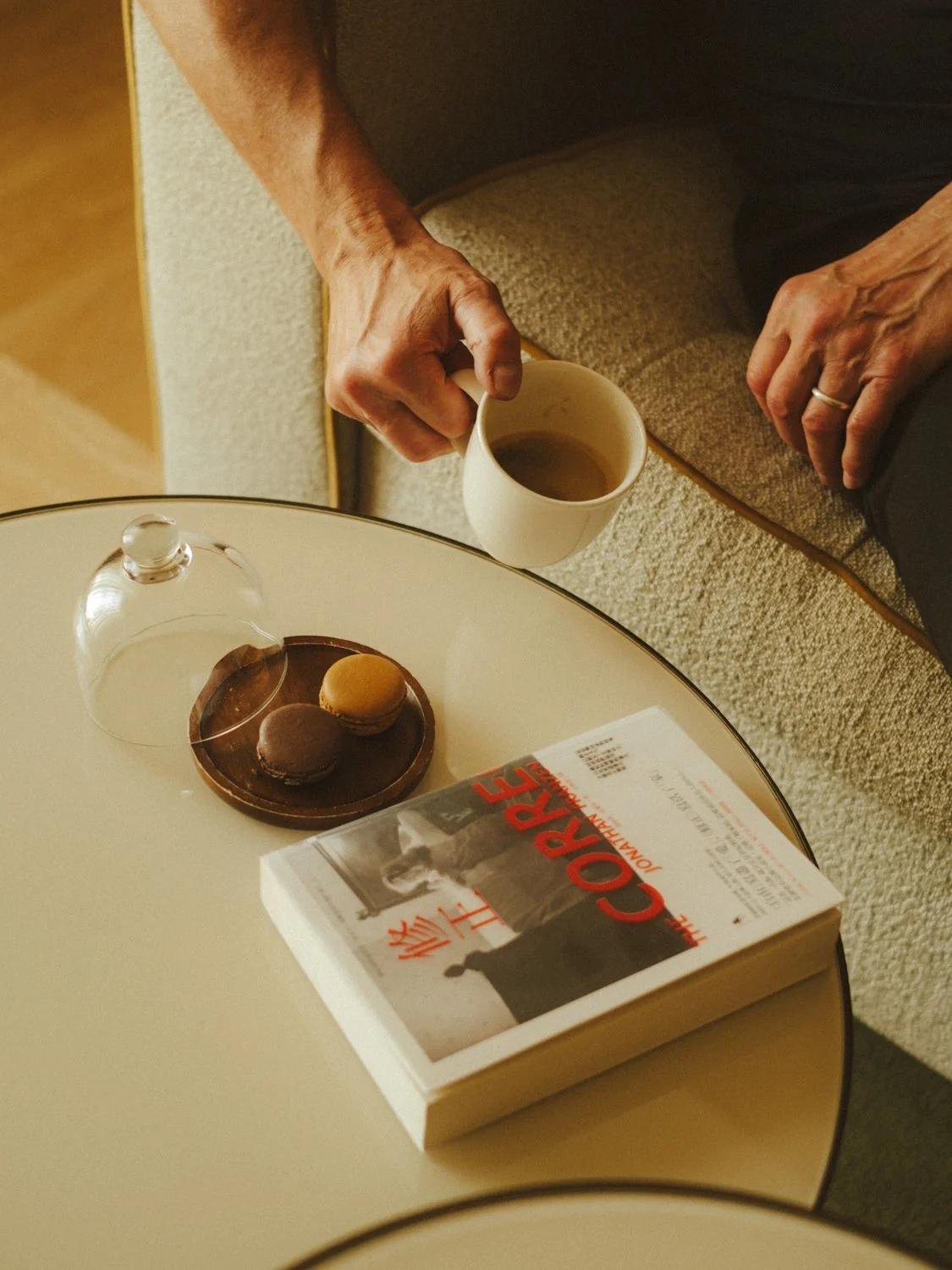
From early morning, I brew coffee in the room first, and only then go down for the breakfast buffet. If I haven't left the room by midday, lunch is settled right here in the house. After a whole day out on my feet, when I'm worn through, evening is when I tuck myself into the Brasserie—order a set menu, choose a glass of wine, and let dinner stretch on, long and slow.
旅館餐飲空間 Brasserie。早餐明亮從容,午間提供輕鬆午食。晚上為你設宴。設計優雅,配置低調,窗外有中庭綠景,不同時段,每個座位,都有光影變化與層次。我挑著坐,豐富用餐視覺效果。
清晨起,先在房裡沖咖啡,才下樓用自助早餐。若上午工作沒出房,午餐就在館內解決。一整天在外走動,累了倦了,晚上便窩進 Brasserie 點份套餐,選杯單酒,把晚餐吃得長長久久。
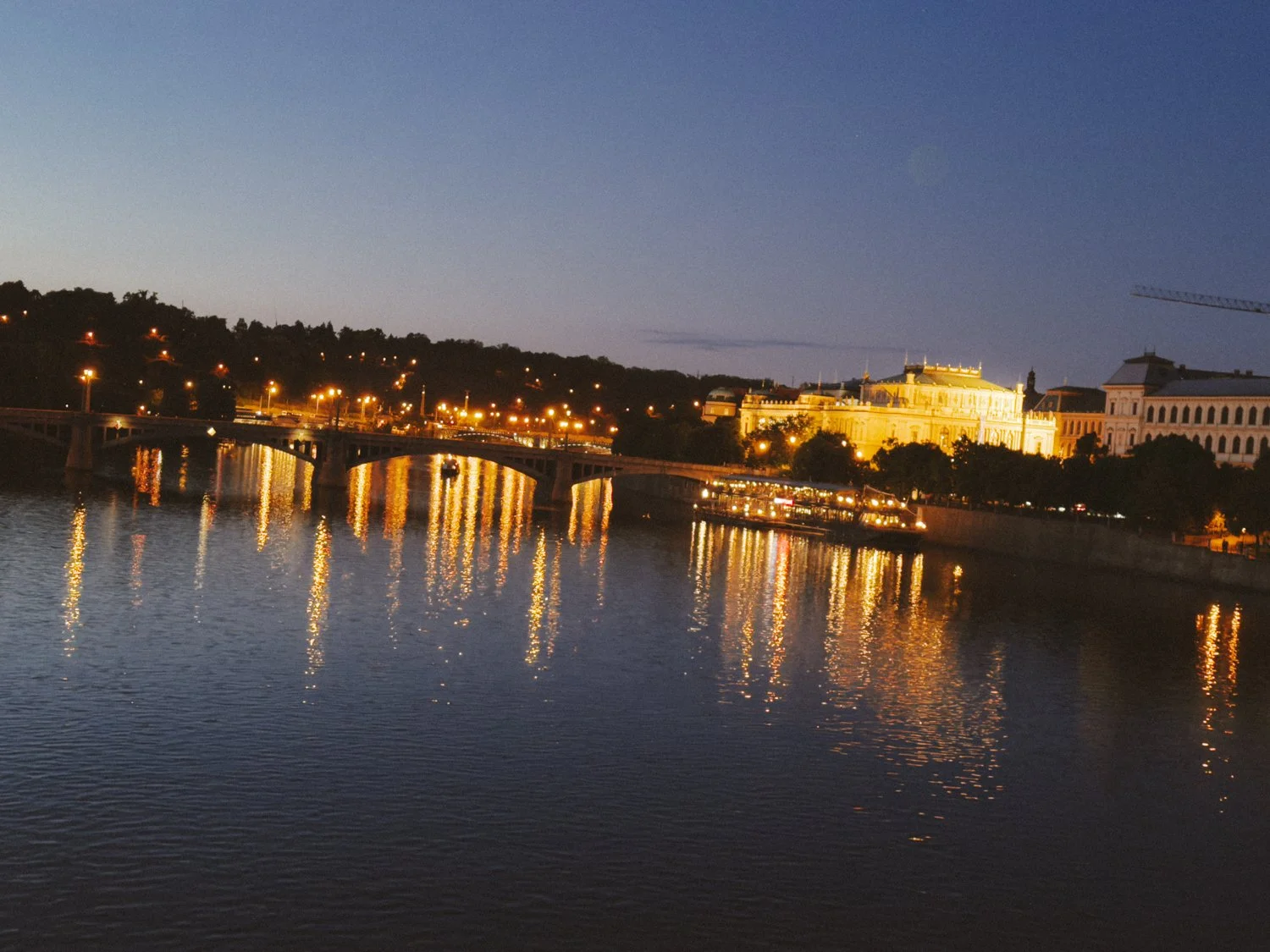
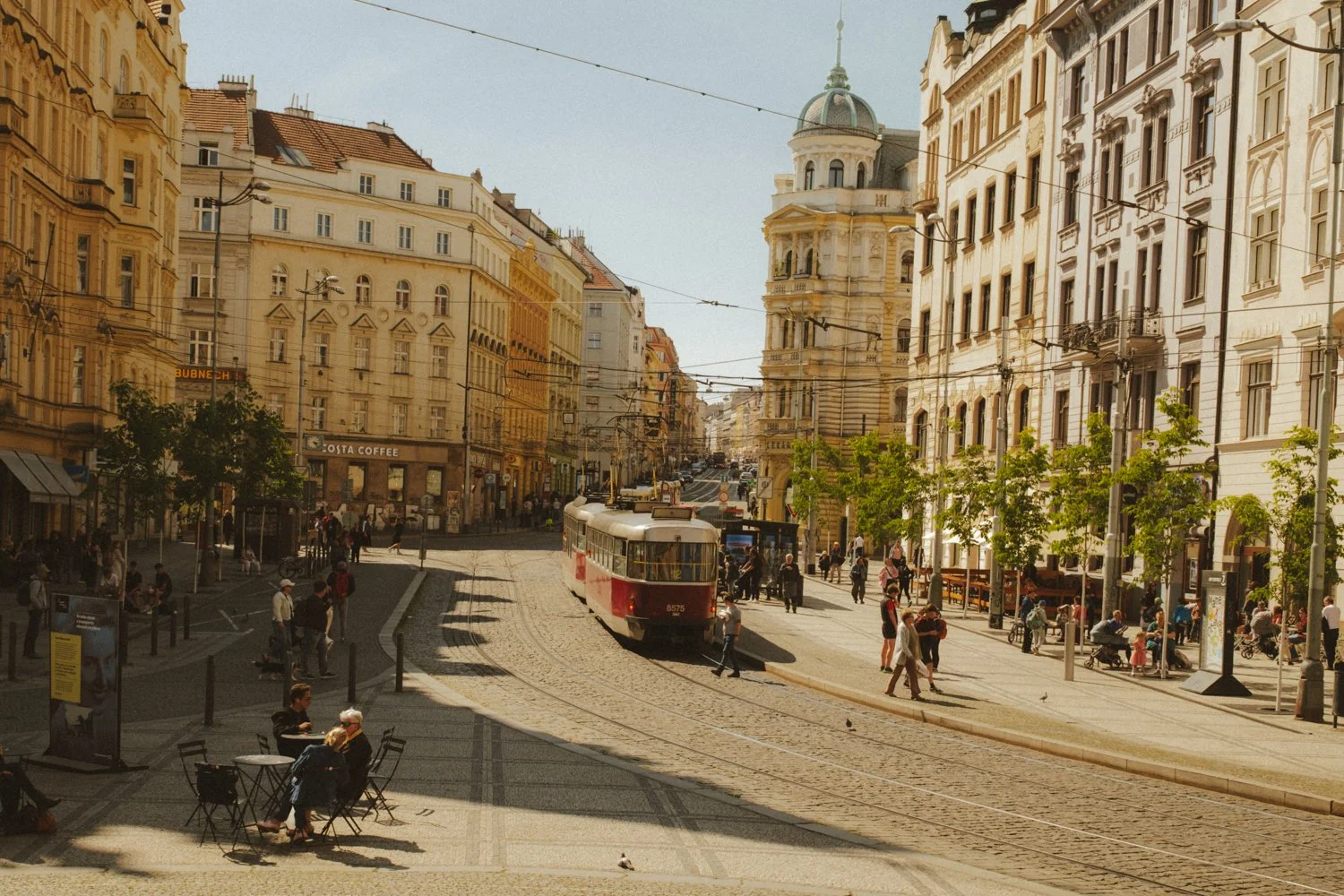
I've been to Prague many times.
Once, I was anxious to walk a city to its very end. Later I understood that a city's folds can never all be turned through. However much of the wide world you take in, what stays with you tends to be the places you've spent long, unhurried time with. Only when you've stayed long enough, or wandered without rushing, does a city give up the plain, fine-grained texture that its locals have carved into it—moving through their days like the slow hand of a sundial.
Now, I want things simple. To find a comfortable place and settle in; to leave room in the journey for freedom; to mark out a small zone of the everyday within the trip—no need to become anyone, no need to go searching for the meaning of travelling far, only to stay, and let myself sink in.
The Julius Prague offers exactly that kind of basic ease—a place where, at the end of a day, I can set myself down, loose and soft, however I please.
布拉格我來過許多回。
以前,急切把一城走到底。後來明白,城的皺摺是翻不完的。儘管覽遍大千,往往保留記憶的,是長時間相處的體驗。待得夠久或者走逛不急,這城才吐露當地人晷針般行徑鑿出來的,尋凡的細幼紋理。
現在,想要簡單。找舒服的地方待下來、為旅程空出自由、在行程中劃出日常結界,不用想變成誰、無需尋找遠行意義,只要待下來,把自己放進去。
The Julius Prague 提供如此的基本自在,在一天之後,讓自己隨意鬆軟放下 。
The Julius Prague
WEB / IG
I rarely wander blindly through a city I don't know well; I always do my homework before setting out. That same care I now pass on to you—and with a measure of your own added to it, you'll find your way to places that truly nourish. What stays with us, always, tends to be the things we've lived through ourselves.
我甚少在一座城市盲遊,都認真做行前功課。我把這份認真傳給你,加上你自己的,便有頗滋潤的去處。永遠記得的,都是那親身體驗。
Architecture 建築:
茲科夫電視塔 Žižkov Television Tower
布拉格藝術館 Kunsthalle Praha
斯特拉霍夫修道院 Strahovský klášter
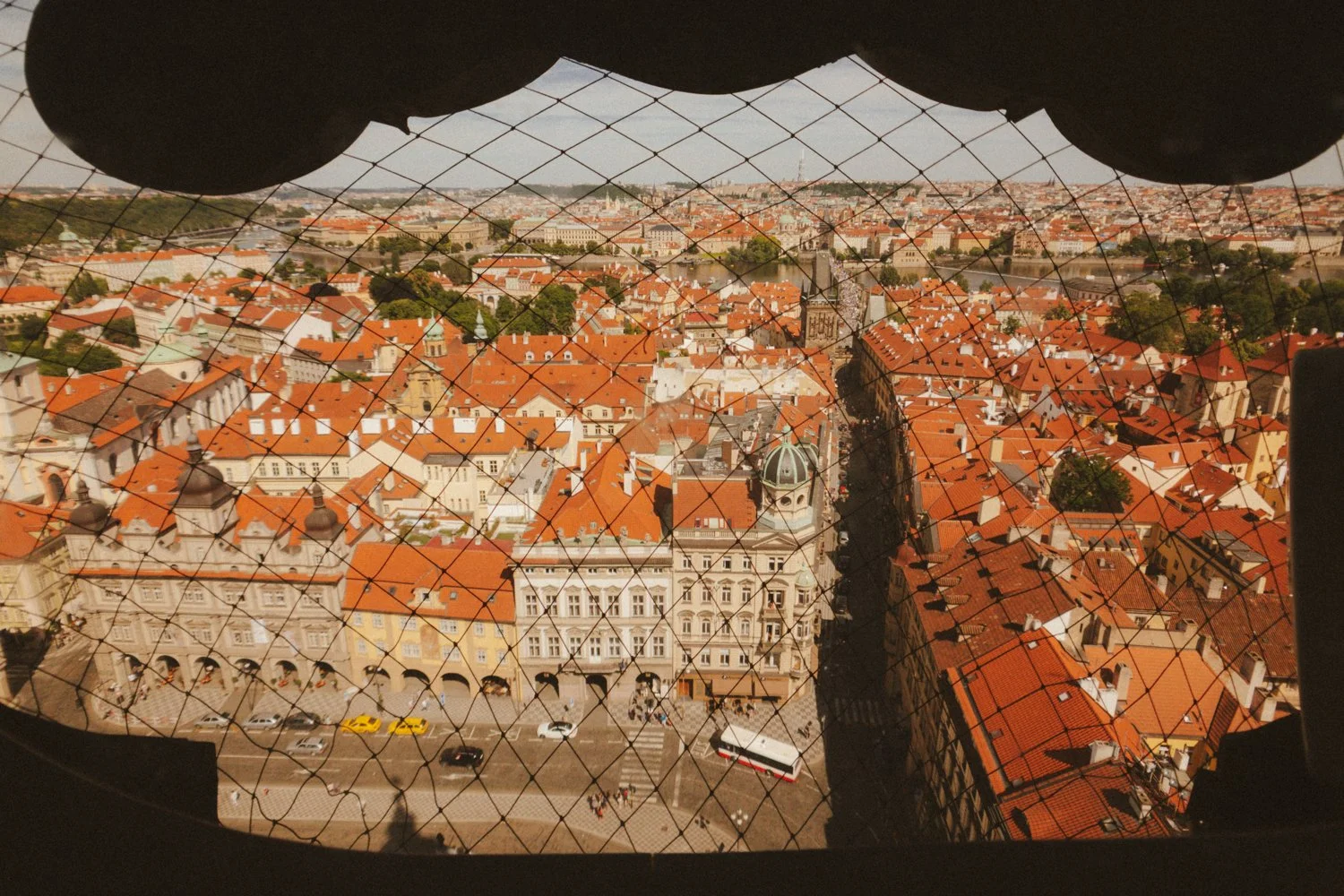
小城橋塔 Malostranská mostecká věž
Zaha Hadid Architects 建築作品 Masaryčka
Coffee 咖啡館:
隱藏民宅後方中庭 Acid Coffee
窩在半地下 May Cafe
Book Store 書店:
二手書店 Knihobot
獨立書店 Page Five